
Missoula judge rules Montana must issue correct licenses to nonbinary drivers
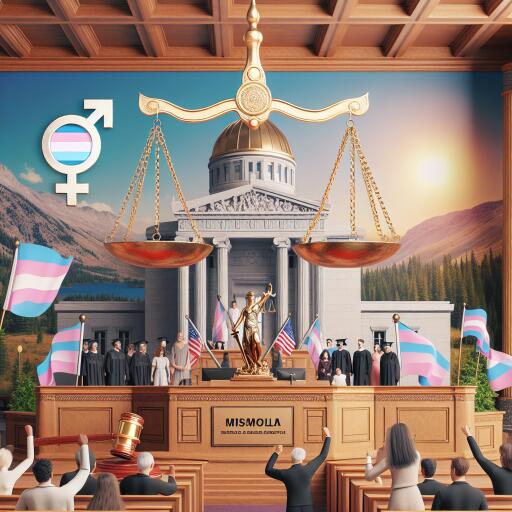
A Missoula County court has ordered the Montana Department of Justice’s Motor Vehicle Division to issue driver’s licenses and state IDs that reflect a nonbinary gender designation for eligible residents. The ruling addresses the state’s previous practice of restricting gender markers to male or female on official documents and directs the DMV to update its forms and processing to accommodate nonbinary identifiers.
The court’s decision centers on ensuring that government-issued identification treats all residents with equal dignity and access. By requiring the DMV to accept nonbinary designations, the judge underscored that individuals who identify outside the binary should have their gender marker accurately reflected on licenses and identification cards, consistent with state nondiscrimination principles.
The ruling calls on the DMV to revise application forms and guidance so applicants can choose a nonbinary designation and have it displayed on both new licenses and renewals. It also directs the agency to implement the change in a manner that protects privacy and minimizes any unnecessary delays or hurdles for applicants.
In practical terms, applicants seeking a license update would complete the standard licensing form and select a gender marker beyond the traditional binary options. The decision emphasizes that staff at DMV offices, as well as online services, must provide clear information about the new option and treat requests for nonbinary designations with the same level of service and confidentiality as other identity-related changes.
Advocates responding to the ruling view it as a meaningful step toward full recognition of nonbinary Montanans in everyday civic processes. For many, having a license that corresponds with their gender identity can reduce anxiety and the potential for mistaken identity in interactions that require official ID, such as travel, banking, and accessing services.
Officials will need to establish training for frontline staff to handle nonbinary designation requests smoothly and to ensure privacy is respected during processing. The court’s order also implies ongoing oversight to confirm the DMV’s compliance and to address any unintended consequences as the policy is implemented across offices and online platforms.
As the state moves to implement this change, the broader conversation around inclusive identification continues to grow, with many jurisdictions weighing how best to balance identity verification requirements with respect for gender diversity. The Missoula ruling contributes to that national conversation by outlining a concrete path for state agencies to recognize nonbinary identities in official documentation.