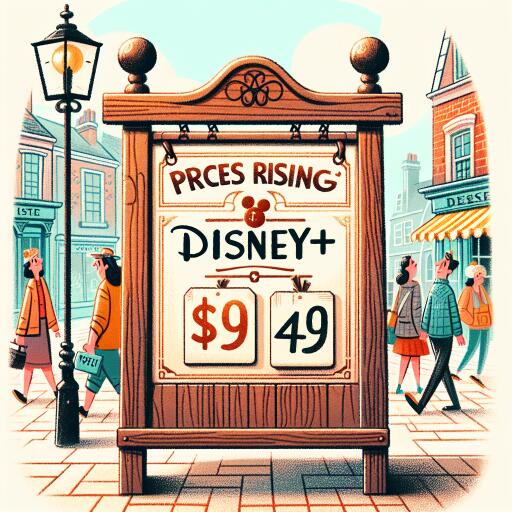

Disney+ Is Hiking Prices Yet Again
Streaming price bumps are increasingly common, and Disney’s service is the latest to join the trend with its fifth increase since it first launched in 2019. What began as a modest, all-ads-free entry plan has evolved into a tiered lineup that now includes ad-supported options, making the platform a focal point in the ongoing debate over streaming costs.
When Disney+ first hit the market, the most affordable ad-free option rode in at $6.99 per month, a value many households accepted. A year and a half later, that price nudged up to $7.99. The shift seemed reasonable at the time, but the march toward paid layers continued as the company began embracing advertising to broaden its revenue mix.
In late 2022, the service restructured around an ad-supported basic tier at $7.99 and a higher ad-free option at $10.99. The change didn’t require users to “up” an existing ad-free plan, but it did reposition the value proposition for those who preferred uninterrupted viewing.
The next jump arrived in October 2023, when the ad-free Premium tier rose by $3 to reach $13.99 per month. A year later, another $2 was tacked onto both major plans: Premium climbed to $15.99 while the ad-supported Basic plan rose to $9.99.
Now, the trend continues. Effective October 21, 2025, Disney+ is raising both main offerings again: the Basic plan with ads goes to $11.99 per month, and the Premium ad-free tier climbs to $18.99 per month.
The price revision also touches bundles. The Disney+ and Hulu bundle with ads increases by $2, bringing it to $12.99 per month. The Disney+, Hulu, and ESPN Select bundle (with ads) climbs from $16.99 to $19.99 per month.
For those who want fewer interruptions, most bundles carry an additional $3 per month for an ad-free option. One exception stands out: the Premium Disney+ Hulu bundle remains at $19.99 per month, offering what many see as a compelling value given the ongoing price trajectory of the standalone services. The Disney+/Hulu/ESPN+ Unlimited Bundle stays at $44.99, though ESPN content continues to carry ads, so it isn’t a fully ad-free package.
In the broader streaming landscape, Disney+ isn’t yet at the top of the bill for most premium plans. Netflix has long held the priciest tier on the market, with its most advanced option priced near the high end of the spectrum. Netflix’s cheaper standard plan remains restricted to fewer devices and lower resolution, while the highest tier sits well above Disney’s most expensive option. The ad-supported Netflix offering remains a fraction of the cost of Disney’s ad-supported plan, though it lacks some features in comparison.
HBO Max has trended upward as well, gradually increasing premium plan prices over time and now hovering around the mid-$20s for its top tier. The shifts have been less frequent but more sizable whenever they occur.
Amazon Prime Video has also seen movement, though its pricing can reflect the broader Prime ecosystem rather than streaming alone. Standalone Prime Video pricing has shifted in recent years, with an ad-supported access tier and a separate higher-cost, ad-free option available, depending on the configuration.
Apple TV+ has followed a similar arc, moving upward since its debut. The service began with introductory pricing, then raised its monthly rate a couple of times, each step aligning with broader market adjustments rather than a single, isolated change. Annual pricing and bundles have remained a consideration for many households looking to maximize value.
The pattern across these services suggests a broader industry trend: as content libraries grow and production costs rise, annual or near-annual price adjustments become a more common tool for maintaining margins. For consumers, that means weighing the cost against the catalog size, ad experience, and the flexibility of bundles.
Ultimately, Disney’s latest round reinforces a practical takeaway for subscribers: price is one dimension of value, but the combination of exclusive titles, exclusive releases, and the real-world expense of ongoing entertainment consumption continues to shape decisions about where to invest months of streaming spend.