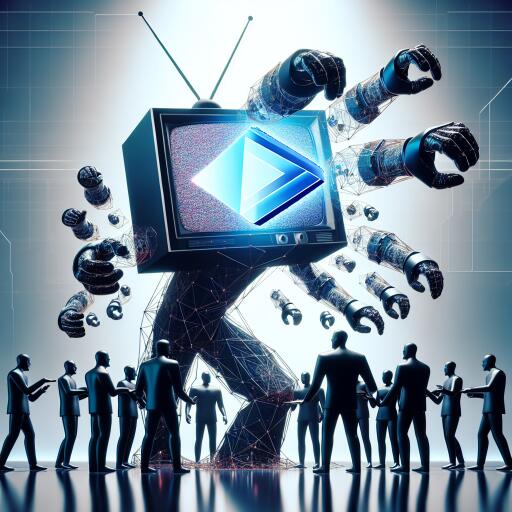

Old media struggle with new tech. So what are the Murdochs doing with a TikTok deal?
In a move that reads like a late swing at the digital fences, the Murdoch family is reportedly weighing a stake in TikTok as Washington deliberates the platform’s fate. The goal, on paper, is to tap into a social phenomenon that reshapes how millions consume media, but the timing sits amid a cloud of national security scrutiny and orders that can tilt outcomes in unpredictable ways.
At the center is a sweeping directive tied to national security concerns, promising a tight timeline for decision-making. The document frames a path that could grant a U.S.-based operator control over content oversight, while keeping ByteDance’s core algorithmic engine out of American hands. The practical consequence is a test of how a legacy media powerhouse negotiates a frontier tech asset under political pressure.
For Australia’s media landscape, the potential Murdoch involvement would be a telling case study in how traditional players try to translate old-school clout into modern platform leverage. It would signal whether even the most entrenched publishers can move quickly enough to influence a winner-takes-most environment where distribution and data govern power as much as production.
The Murdochs have chased tech bets before, sometimes with costly lessons. Past forays included overpaying for a fading social network that once looked promising; backing a health-tech startup whose business model collapsed under scrutiny; and funding internal platform experiments that burned through cash with uncertain returns. These episodes illustrate a broader pattern: a push to fuse familiar media brands with disruptive distribution, often without securing durable, scalable wins in the underlying tech stack.
There are larger questions about risk and reward. A single high-stakes investment—especially one tied to a popular but volatile platform—can reposition a media empire, but it can also expose it to new forms of dependency. In this scenario, the path to ownership of a social service may require financing from assets still tied to traditional publishing and licensing, creating a delicate balancing act between legacy and leverage.
Beyond the boardroom calculus, the essence of TikTok’s value lies in its algorithm-driven reach. Any deal that hands the reins to a U.S.-based operator would likely grant control over policies and content moderation while enabling a retraining of the platform’s recommendations for U.S. audiences. The secret sauce—the algorithmic engine—could stay largely under ByteDance’s control, preserved as a national security hedge, even as governance shifts move through a new corporate setup.
Meanwhile, the broader market context matters. The social-media space has cooled, with overall usage softening and platforms contending with a surge of AI-driven content and automation tools. In such a climate, a deal hinging on a single platform’s distribution power may offer limited upside, while introducing new fragilities and political exposures for the investor group at the top.
In the end, the move may amount to a high-profile but cautious bet—one that preserves influence for a familiar media group without delivering a revolutionary shift some anticipated. If the arrangement materializes, it would reflect a larger trend: billionaires extending their legacy brands into the currency of modern, algorithmically amplified networks, while watching regulatory and geopolitical crosswinds shape the next chapter.