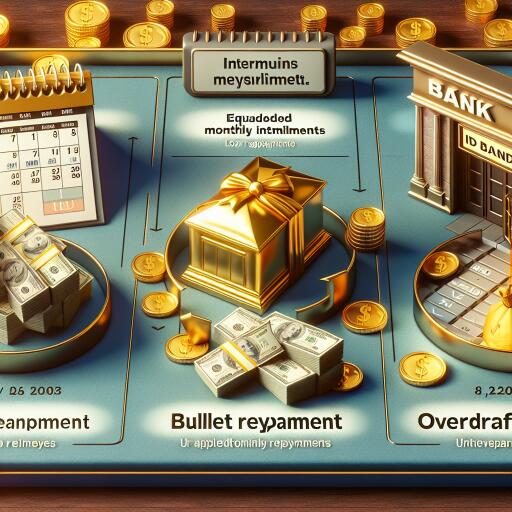

EMI vs Bullet vs Overdraft – The Best Ways To Repay A Gold Loan
When cash is needed fast, pledging gold can unlock funds without the long wait typical of many loans. The catch is choosing a repayment style that keeps costs in check. Gold loans are unusually flexible compared to standard personal loans, and the method you pick can be the difference between efficient borrowing and pricey interest charges. Here’s a clear, no-nonsense guide to the three most common approaches: EMIs, Bullet Repayment, and the Overdraft (OD) facility.
EMI (Equated Monthly Instalments): steady and predictable
With EMIs, you pay a fixed amount every month that covers both principal and interest. This structure suits borrowers with consistent income—think salaried professionals, pensioners, or those with reliable rental inflows. Because the schedule is fixed, you get a clear timeline to zero out the loan and avoid last-minute scrambles.
- When it shines: you want disciplined repayment and a defined end date.
- How it helps: regular amortization prevents interest from snowballing.
- Smart move: set up auto-debit or standing instructions to avoid missed payments that could dent your credit profile.
Watch-outs: If cash flow is seasonal or unpredictable, the fixed monthly outgo can feel tight. Also check prepayment or foreclosure rules—paying off early can cut interest, but some lenders charge fees.
Bullet Repayment: pay it all at once
Bullet repayment postpones the entire payment—principal and interest—to the end of the tenure. You don’t pay monthly EMIs; instead, you clear the loan in one shot when the term expires. This is designed for borrowers expecting a lump sum later (bonus, asset sale, harvest payments, year-end business receivables).
- When it shines: you need maximum flexibility now and are confident about a future payout.
- How it works: interest accrues through the tenure and is settled along with principal at maturity.
- Possible move: some borrowers refinance—closing the loan and starting a new one—if terms improve or cash flow timing shifts.
Watch-outs: Total interest outgo can be higher than EMIs because the principal isn’t reduced along the way. If your expected lump sum gets delayed, you risk scrambling at maturity or paying penalties.
Overdraft (OD) Facility: draw what you need, pay for what you use
With an OD-backed gold loan, the lender sanctions a credit limit against your pledged gold and opens a dedicated account. You withdraw funds as needed within that limit, and interest is charged only on the utilized amount and for the exact number of days you use it. Repayments are flexible—deposit to reduce utilization and interest anytime.
- When it shines: your cash needs fluctuate—short bursts of working capital, emergencies, or bridging gaps between receivables.
- How it helps: you avoid paying interest on the full sanction when you only need a slice.
- Control lever: frequent part-repayments can sharply reduce interest costs.
Watch-outs: Easy access can tempt overuse. Keep a close eye on daily utilization and ensure you’re not hovering near the limit for long periods, which can erode the cost advantage.
Which one should you pick?
- Cash-flow consistency: predictable income favors EMIs; irregular or seasonal inflows lean toward Bullet or OD.
- Interest optimization: EMIs usually reduce total interest by lowering principal month after month; OD can beat both if you borrow in short bursts and repay quickly; Bullet often costs more unless the tenure is very short and you pay on time.
- Discipline vs flexibility: EMIs enforce routine; OD and Bullet give you freedom—use it wisely.
- Tenure and LTV: shorter tenures generally cut interest. A higher Loan-to-Value (subject to regulatory caps) can reduce how much cash you need from other sources, but ensure you can comfortably meet obligations if gold prices fluctuate.
- Fees and fine print: check processing fees, valuation charges, foreclosure/prepayment terms, and whether the lender recalculates interest daily (key for OD).
Practical ways to save on a gold loan
- Choose the shortest tenure you can afford—time is the biggest driver of interest.
- Make part-prepayments whenever you receive extra cash—this is especially potent for OD and EMI plans.
- Automate payments to avoid penalties and protect your credit standing.
- Review the rate type and reset cycle—know how and when your rate can change.
- Monitor gold valuations and margin calls—if prices dip, lenders may ask for top-ups; plan buffers to avoid distress sales.
Bottom line
There’s no single “best” repayment method—there’s a best fit for your cash-flow reality. If you like structure and certainty, EMIs provide a clear runway. If you’re banking on a future payout and want breathing room now, Bullet repayment can work, provided you’re disciplined about the final lump sum. If your needs ebb and flow, the OD route can minimize interest by charging only on what you actually use. Pick the format that matches how money moves in and out of your life, and you’ll get the speed of a gold loan without surrendering cost control.