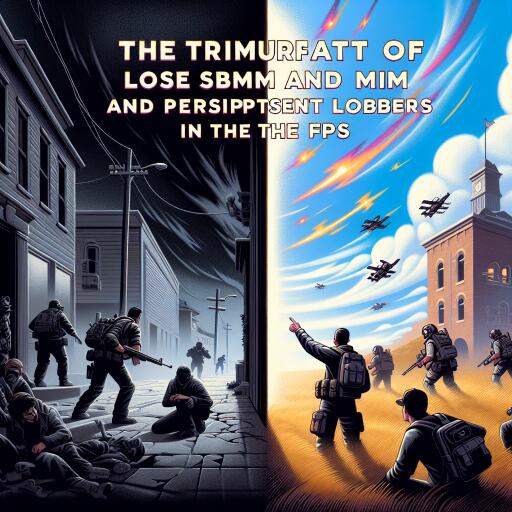

Black Ops 7 has problems, but Call of Duty recognizes where the wind is blowing: The triumphant return of loose SBMM and persistent lobbies in the FPS
The latest entry in the Call of Duty lineup approaches multiplayer with a mixed mood: familiar weapon handling and fast-paced gunplay, but with a set of adjustments that aim to recalibrate how players find and compete against one another. After exploring the campaign’s quirky co-op moments, the focus shifts to a 6v6 arena that favors choice over rigid gating by skill level.
Design-wise, Black Ops 7 leans into a glossy sci‑fi veneer on weapons and gadgets while keeping the core feel close to its predecessors. The big movement novelty, a wall-bounce maneuver, lands with a soft click rather than a quantum leap in mobility. It’s a taste rather than a tectonic shift, and the overall movement loop remains comfortably familiar for players who’ve grown used to the series’ pace.
Map variety is abundant and visually striking, yet the fundamental blueprint of most maps hasn’t radically changed. The layouts tend to follow three-lane concepts with predictable sightlines and routes. It’s not a deal-breaker, but it does highlight a certain stagnation in the evolution of new maps when the core loop remains so recognizable from year to year.
Where the game unexpectedly shines is in its matchmaking philosophy. Looser skill-based matchmaking introduces more evenly matched, tense battles and reduces the frequency of one-sided blowouts. In practice, matches feel closer, with fewer extreme swings; players who might have dominated before are less likely to run away with the entire session by themselves.
Another major shift is the return of persistent lobbies. Keeping groups together from one match to the next transforms multiplayer into a social experience rather than a string of isolated rounds. You start noticing the same teammates and opponents, picking up on habits, and gradually building a shared rhythm. It evokes a memory of the classic server-browser era while still benefiting from modern matchmaking systems.
Persistence isn’t without caveats. It can trap you in a lobby with players you’d rather avoid, turning social dynamics into a double-edged sword. Thankfully, the game provides a straightforward remedy: a “Find a new lobby” option to move on without breaking the flow of your evening.
In the broader landscape of major military shooters, Black Ops 7 isn’t the definitive best-in-class for social play, but it marks a clear shift toward more organic, community-driven matchmaking. Battlefield 6 offers a contrasting approach with officially minimal SBMM and a longstanding server browser that supports persistent servers, though it’s not flawless either. Still, COD deserves credit for experimenting with a more fluid, player-driven ecosystem—one that challenges the assumption that stricter matchmaking automatically yields better competitive results.
What’s emerging this year is a trend toward reviving social play as a core pillar of the multiplayer experience. The experiments with looser connections and enduring lobby groups indicate a broader industry push: players crave multiplayer worlds that feel alive and communal, not just a continuous stream of individual battles. The outcomes are varied, but the direction is unmistakable. The wind is shifting, and Call of Duty is listening—embracing a more human, collaborative form of competitive play even as it grapples with the franchise’s ongoing balancing acts.