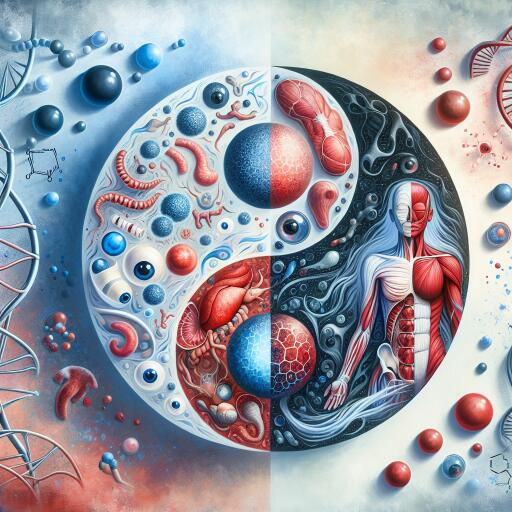

The Art and Science of Medical Illustration: Crafting Visual Narratives in Healthcare
When medicine meets visual design, clarity wins. Medical illustration translates dense clinical knowledge into images, animations, and interactive experiences that help learners, clinicians, and patients understand what words alone can’t. From anatomy plates to immersive surgical walkthroughs built in game engines, this discipline blends scientific precision with the visual language of modern media.
What Medical Illustrators Actually Do
Medical illustrators are specialists in depicting anatomy, pathology, and procedures with accuracy and intent. Their creations show up in textbooks and journal articles, on clinic walls, in preoperative briefings, and within apps that teach patients what to expect. Increasingly, they also build 3D assets, animations, and interactive modules for simulators and training platforms—many powered by the same engines used in video games.
Beyond making “pretty pictures,” the craft is about informed decisions: which layers of tissue to reveal, which step of a procedure to spotlight, what color palette aids comprehension, and how to balance realism with readability. Every line and shader supports a specific learning goal.
Training the Eye—and the Mind
Most medical illustrators study both art and life sciences, often at the graduate level. Courses typically span human anatomy (including cadaver lab), physiology, pathology, and medical terminology, paired with traditional drawing, digital painting, vector graphics, and 3D modeling. Many also learn motion design, PBR texturing, rigging, and optimization for real-time performance.
Equally vital are soft skills: interviewing subject-matter experts, translating jargon into visuals, navigating ethics and consent around patient data, and designing for accessibility. The best practitioners can visualize a concept from multiple angles—then choose the one that teaches fastest and sticks the longest.
Where Their Work Makes a Difference
- Education: Clear, layered diagrams demystify complex systems for students and trainees.
- Research: Figures and schematics sharpen the storytelling in scientific papers and posters.
- Patient Care: Visual guides explain diagnoses, therapies, and home care in plain, empathetic terms.
- Surgical Planning and Simulation: Step-by-step animations and interactive 3D models support rehearsals and team briefings.
- Public Health: Campaign visuals distill risk, prevention, and behavior change into memorable messages.
How Technology Is Rewriting the Playbook
The field has exploded beyond static plates. Today’s toolkit includes high-resolution 3D sculpting, photogrammetry, and the conversion of imaging data (like CT or MRI) into educational models. Real-time platforms—think Unity and Unreal—enable VR and AR scenarios where users can “stand inside” anatomy, manipulate virtual organs, or rehearse a complex approach with haptic feedback. These experiences borrow the best of game design: readable interfaces, progressive difficulty, and instant, context-aware feedback.
Web-based 3D (WebGL/WebGPU) puts interactive models in any browser; GPU ray-tracing delivers cinematic clarity for pre-rendered sequences. AI can assist with references or asset cleanup, but illustrators remain the final arbiters of accuracy, ethics, and bias mitigation. The mission hasn’t changed—help people understand—but the channels and fidelity certainly have.
Challenges Behind the Scenes
- Accuracy at Speed: Medicine evolves quickly; visuals must keep pace without sacrificing rigor.
- Data Sensitivity: Patient privacy, informed consent, and de-identification are non-negotiable.
- Visual Equity: Representing diverse skin tones, body types, and conditions improves relevance and trust.
- Readability vs. Realism: Too much detail overwhelms; too little invites misinterpretation. Striking the balance is an art.
- Regulatory Review: Clinical content often passes through compliance and legal checks, requiring precise documentation of sources and choices.
Careers and Pathways
Medical illustrators work in hospitals, universities, publishers, medtech companies, agencies, and indie studios. Some specialize—orthopedics, neurosurgery, pharmacology—while others operate as generalists. Portfolios that shine often include case studies: the problem, the audience, the constraints (print vs. real-time, cross-platform performance), and the measured outcome.
As healthcare digitizes, demand is growing for people who can build clear visuals and interactive modules—particularly those comfortable collaborating with surgeons, developers, and educators. Skills in pipeline management (from sculpt to rig to engine), accessibility best practices, and version control help teams ship faster with fewer errors.
Getting Started
- Master the fundamentals: life drawing, color theory, composition, and anatomy.
- Learn the tools: vector/raster suites, 3D sculpting and retopology, texture baking, and real-time optimization.
- Study clinical contexts: how a procedure unfolds, what landmarks matter, and why sequence is everything.
- Prototype interactives: build small VR/AR scenes or web-based 3D viewers that demonstrate intent and usability.
- Seek feedback from clinicians and educators; refine until the message is effortless to grasp.
Why It Matters
Great medical illustration reduces cognitive load, aligns care teams, and empowers patients. In classrooms it accelerates learning; in clinics it clarifies choices; in operating rooms it helps teams see the same plan. And as immersive media matures, the line between “explainer image” and “hands-on rehearsal” blurs—bringing the precision of science and the craft of visual storytelling into the same headset.
At its best, this work is invisible: viewers forget the medium and simply understand. That’s the magic—and the mandate—of medical illustration in the age of interactivity.