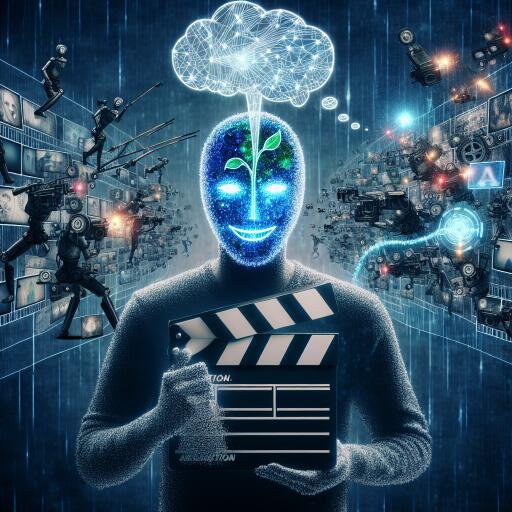

Underrated Sci-Fi Movie Creator Surprisingly Backs AI in Film-Making: “I Get Excited…”
Artificial intelligence in cinema has lingered at the edge of excitement and concern for years. A turbulent period of industry debate—spurred by concerns over automation, creative control, and the fate of jobs—sparked a high-profile strike that highlighted just how fraught the topic remains. Yet a veteran filmmaker, famed for ambitious sci‑fi epics, offered a markedly hopeful take: smart AI tools could democratize production, letting ambitious storytellers achieve lavish visuals without ballooning budgets.
The discussion arrives as audiences revisit The Creator, a 2023 sci‑fi feature that places AI at the center of a dystopian conflict. In this story, an advanced system triggers a devastating upheaval in a future Los Angeles, prompting a desperate search for the mysterious “Creator” who sparked the artificial intelligence uprising—and could hold the key to ending the war. While the premise leans into familiar themes of power, responsibility, and unintended consequences, the director’s commentary frames these tech-forward ideas as a potential catalyst for real-world filmmaking innovation rather than a cautionary tale alone.
In recent remarks, the filmmaker suggested that the right AI toolkit could blur the line between indie budgets and blockbuster scale. The promise, as described, isn’t merely about faking scale with clever editing or crowd simulations. It’s about unlocking production pipelines where a small crew harnesses AI-assisted lighting, texture work, and digital environments to craft convincingly expansive worlds with resources that previously demanded larger teams and bigger checks. The implication is that a movie could look as if it cost tens of millions to make, while actually spending far less, thereby widening opportunities for first-time directors and seasoned veterans alike.
Of course, this stance isn’t a blanket endorsement of letting algorithms run the show. The filmmaker acknowledged legitimate concerns about the human costs of automation—especially for artists whose skills are central to the craft. There’s no nostalgia for a world where jobs vanish, but rather a belief that the industry could adapt by redefining roles, elevating artists who master AI-enabled workflows, and embracing new collaborations between human creativity and machine-assisted production. It’s a shift that may also spur new kinds of collaboration between traditional effects houses, independent studios, and smaller studios eager to experiment with real-time tools and virtual sets.
From a practical standpoint, the conversation is closely tied to the changing landscape of real-time engines, motion capture, and virtual production—areas that a growing number of filmmakers are already exploring. For those in adjacent fields like game development and immersive media, the dialogue is especially resonant. If a director can plan, prototype, and iterate scenes inside a responsive virtual environment, that agility could accelerate how genres like sci‑fi and fantasy are brought to the screen. And for fans who crave ambitious world-building, AI-assisted workflows promise more frequent opportunities to see challenging concepts realized on screen without sacrificing creative risk or budget discipline.
That said, the debate isn’t purely technocratic. It’s rooted in the broader economics of film production, where costs have long driven creative decisions. The idea that AI could lower barriers isn’t a universal panacea; it raises questions about authorship, control, and the evolving skill set studios prize. The director’s measured enthusiasm reflects a broader sentiment in which innovation is welcome, but not at the expense of the human voices that give life to these stories. In gaming and VR circles, the spark is clear: AI could accelerate cross-media storytelling, enabling more seamless adaptations between interactive experiences and cinematic narratives while preserving the core artistry that makes both forms compelling.
As conversations continue, many creators are weighing the potential upsides against the risks. The emerging consensus among industry observers suggests a landscape where AI tools become standard teammates for writers, designers, and technicians rather than opaque contenders overshadowing human talent. For enthusiasts of AI-assisted filmmaking, the future holds the promise of faster iteration, more inclusive access to high-end production aesthetics, and new ways to experiment with narrative pacing and world-building—whether in theaters, living rooms, or mixed-reality venues.
What do you think about AI’s role in film and related media? Share your thoughts below and join the ongoing discussion about how technology could reshape storytelling across cinema, games, and immersive experiences.