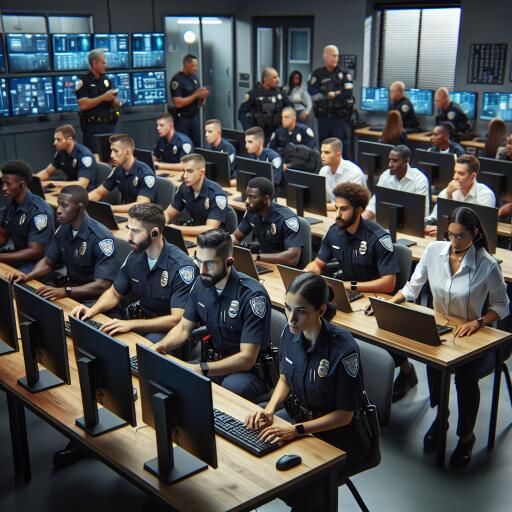

WA police using video games to train new recruits
Washington State’s police academy is leaning into virtual reality, rolling out a pilot that equips new recruits with 32 VR headsets across its Burien and Arlington training hubs. The goal: use game-like simulations to rehearse high-stakes decisions—safely, repeatedly, and with more nuance than a static classroom can offer.
A pilot built around presence and repetition
The initiative places trainees inside branching, photo-real scenarios that mirror the calls they’ll face on duty. Modules include Taser proficiency, domestic disturbances, and encounters involving individuals in mental health crisis or experiencing suicidal ideation. Because the scenes are digital, they can be reset instantly, allowing instructors to run multiple variations in minutes and focus on de-escalation choices, timing, and communication tactics rather than stagecraft.
From slides to simulations
Training leaders say the shift from slide decks to immersive practice is long overdue. Thirty years ago, much of an officer’s learning happened on the street. Today’s approach prioritizes crisis recognition, calm dialogue, and proportional response. As one TAC officer put it, the most valuable reps aren’t the ones that require drawing a firearm—they’re the ones that build listening, assessment, and verbal skills. The feedback from recruits has been emphatic: sessions feel engaging, relevant, and memorable.
Gamers in uniform
For some recruits, the learning curve is minimal. One trainee, Fernando Sierra, grew up on game systems and felt instantly at home in a headset. He described the VR environment as a “safe-to-fail” loop: a place to make mistakes without harm, reflect, and try again. That iterative rhythm—attempt, review, improve—mirrors how players master complex game systems and is now being applied to delicate real-world interactions.
Lower overhead, faster iterations
VR cuts down on logistics that traditionally eat time and budget. There’s no need to reload training ammunition, wrangle role-players, or spend hours building sets. Scenarios boot in seconds, and instructors can dial variables up or down—lighting, distance, subject behavior—on the fly. The result is more reps per hour, consistent scenario quality, and potentially lower costs over the long term.
Why VR fits policing
Immersive simulations excel at stress exposure and decision-making under pressure—two pillars of effective field work. The tech lets trainers push recruits into tight mental bandwidth, then coach them back toward slower breathing, clearer speech, and better choices. It’s muscle memory for the mind: the more times recruits practice a delicate conversation or a crisis intervention script, the more automatic those skills become when seconds matter.
What comes next
This phase is just the start. The pilot’s hardware is intended as a foundation for a broader statewide rollout. The target is 212 headsets, ultimately distributed to all five training commission locations, ensuring consistency in curriculum and access regardless of geography.
As gaming hardware and police training converge, Washington State is betting that the same presence and interactivity that make VR compelling entertainment can also produce calmer encounters, fewer escalations, and better outcomes for both officers and communities. If the pilot continues to deliver engagement and efficiency, expect the headsets to become as common as radios and notebooks in the academy toolkit.