
After Naagin 7, Ekta Kapoor Trolled Over AI Lord Krishna Scene In Kyunki Saas Bhi Kabhi Bahu Thi 2; Netizens Say, “Sabka Rozgar Cheen Rahi Hai”
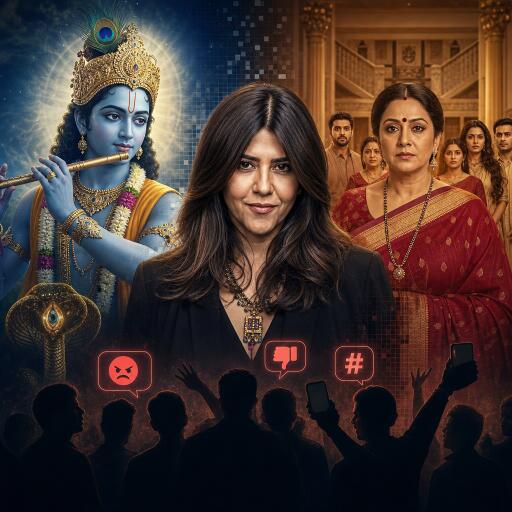
Producer Ekta Kapoor is once again facing online criticism over the use of artificial intelligence in one of her television projects. After being trolled earlier for allegedly using AI in Naagin 7, Kapoor is now under fire for a scene in Kyunki Saas Bhi Kabhi Bahu Thi 2 featuring what viewers believe is an AI-generated version of Lord Krishna.
The controversy erupted after a recent episode showed Tulsi, played by Smriti Irani, speaking to Lord Krishna while she is in jail. In the scene, Krishna appears to encourage her not to give up hope and to keep helping others despite her circumstances. While the moment was likely intended to be emotional and spiritual, a section of the audience reacted sharply, calling the visual execution awkward and “cringe.”
Clips from the episode quickly spread across social media, where users mocked both the quality of the AI-generated figure and the creative choice itself. One user wrote, “Someone please cancel Ekta Kapoor’s AI subscription b/c she ain’t stopping.”
Much of the backlash centered not just on aesthetics, but on the growing concern that AI is replacing real performers. One social media user remarked, “Jo bolte hain na AI naukari khayega. Ek actor jo Shree Krishna ki jagah cast hota, wahan AI use kar liya. Kisi artist ke ₹3K per day gaya. Ekta sabka rozgaar chheen rahi hai.” The comment reflects a broader anxiety in the entertainment industry over AI being used in place of actors, designers, and other creative professionals.
Others poked fun at the dialogue and language used in the sequence. One viewer joked, “Krishna Bhagwan Hin-English bol rhe hai,” while another said the clip looked as though the production was using a free AI tool instead of a premium one. A separate comment questioned why the character used the word “jail” instead of the more traditional “karagaar,” adding, “Dialogue bhi AI se likhwa leti.”
Some posts took a sarcastic tone, suggesting the scene felt less divine and more unintentionally comic. One user wrote that hearing Krishna use English words like “jail” felt strange, while another quipped that Tulsi seemed to have entered “the third stage of hallucinations.”
From a tech and media standpoint, the criticism is notable because it highlights the increasingly visible tension between experimentation with AI tools and audience expectations in mainstream entertainment. Viewers today are not just noticing AI—they are actively evaluating whether it adds value, reduces authenticity, or undercuts employment for human talent.
In Kapoor’s case, this is not the first time AI usage has become a talking point. The producer had already been criticised for similar reasons in connection with Naagin 7. With Kyunki Saas Bhi Kabhi Bahu Thi 2, the backlash suggests audiences may be growing less patient with synthetic visuals, especially when they involve revered religious figures or emotionally important scenes.
The debate also arrives at a significant moment for the franchise. Kyunki Saas Bhi Kabhi Bahu Thi 2 recently marked 26 years since the original show first premiered, a milestone that underscores its deep cultural legacy in Indian television. The reboot has also introduced a dramatic 10-year leap, signaling a new phase in Tulsi’s story while bringing in fresh twists and shifting family dynamics.
Marking the occasion, Ekta Kapoor shared a celebratory note reflecting on the show’s long journey. She wrote, “26 years ago a show came that changed my life. Thank you Sameer sir, Thank you star plus, thank you Balaji team, thank you Tanu, thank you Smriti, thank you to all the actors, and of-course above all thank you to the writers and the team who constantly work at making it what it is. Jai Mata Di.”
For now, however, the spotlight remains on the AI debate. What may have been intended as a visually inventive spiritual moment has instead reignited questions about quality, ethics, and whether television producers are leaning too heavily on generative tools at the expense of human creativity.