
Apple Poised to Transform Spatial Computing with Next-Gen Headset
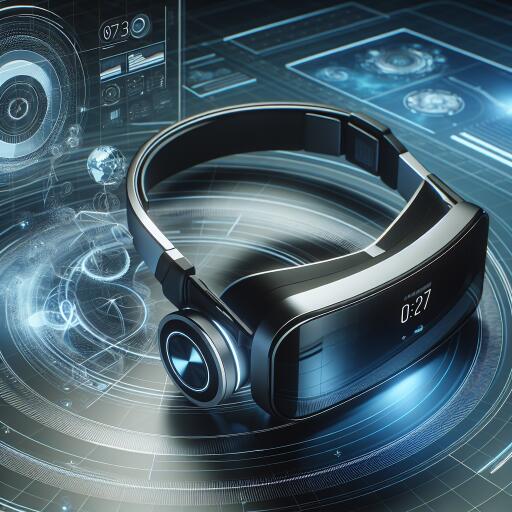
When the Apple Vision Pro initially hit the market, it dazzled with its high-end design and whopping $3,500 cost. Its introduction was met with excitement, yet reality revealed a less enthusiastic response as consumers hesitated at the high price and returned devices citing discomfort. However, whispers of a sequel headset arriving by late 2025 suggest that Apple is working towards overcoming these initial hurdles, setting the stage for broader acceptance of spatial computing.
Revamping the Essentials: A Focus on Performance
The buzz surrounding Apple’s upcoming headset underscores significant engineering enhancements aimed at mainstream appeal. Central to this is the anticipated M5 chip, which promises to greatly improve performance and battery longevity, addressing one of the primary drawbacks of the initial model’s limited two-hour battery life. This new processor intends to offer spatial computing experiences that are not just functional but also blend seamlessly into everyday life—imagine eye tracking that actually predicts and responds in real-time.
Apple isn’t just focused on technical prowess; they plan to diversify their offerings with two distinct versions. The consumer model will be more affordable and lighter, while a pro version will cater to professionals needing exceptional responsiveness, ideal for applications like precision medical imaging or advanced simulation.
Solving the Weighty Issue
The original Vision Pro was notorious for its heavyweight, creating a “lever effect” that made prolonged use uncomfortable, sometimes even causing physical strain. In response, Apple is innovating with lighter materials and redefining comfort through new seal and cushion systems. Their revolutionary counterbalance battery design aims to distribute weight more evenly, mitigating forward pressure on the user’s face.
By tackling these physical challenges, Apple is not just enhancing user comfort but also making strides towards replacing traditional screens for work purposes. Visualize using a headset to edit videos or manage multiple tasks without experiencing the discomfort of current models—a significant leap in usability that showcases why Apple continues to invest in this space.
Accessibility through Affordability
The most compelling aspect for consumers might be the speculated price adjustment. Reports indicate that the next headset could be priced between $1,500 and $2,000. While still costly, it brings the device into a more approachable range akin to high-end laptops rather than unaffordable luxury.
This strategy involves reducing production costs by opting for plastic lenses over precision glass and switching to magnesium alloys, along with fewer external sensors. Additionally, there are indications of a “Vision Air” model that may use less powerful processors found in iPhones, creating a performance hierarchy while expanding market accessibility.
These price adjustments could potentially skyrocket annual sales from the initial modest figures to millions, encouraging a flourishing ecosystem of developers and applications. More consumers lead to more apps, fueling further adoption in a cycle of growth critical for any new platform’s success.
The Future of Spatial Computing
Apple’s strategy indicates a longer-term vision—perfect the current technology in a format suitable for home and professional settings rather than rushing into developing AR glasses prematurely. The improvements made with the Vision Pro sequel are not just iterative; they build the foundation for spatial computing that consumers find genuinely valuable.
By enhancing performance, comfort, and affordability, Apple is laying the groundwork for a new era in computing. When spatial computing offers desktop-level functionality in a comfortable, affordable package, it transcends being a gadget—it’s an evolutionary step in personal technology.
Preparing for the Next Major Leap
For those contemplating an investment in Apple’s spatial computing solutions, waiting for the next generation could be wise. It’s not just about improved specifications; it’s about embracing a platform likely to grow robustly in users and applications, making the investment worthwhile.
Apple’s Vision Pro 2 isn’t merely a follow-up; it’s an opportunity to turn spatial computing from an intriguing concept to an indispensable tool. With strategic production already reported to be underway and a launch potentially between fall 2025 and spring 2026, the wait could be short to see if Apple can truly elevate this promising technology.
Ultimately, as Apple systematically addresses initial setbacks—performance, comfort, and price—the Vision Pro 2 might be the breakthrough necessary for recommending it widely. And if you’re thinking about holding out for Apple’s future smart glasses, remember that those advancements remain years away. The Vision Pro 2 is the crucial bridge to when spatial computing becomes as intuitive and ingrained in everyday life as our smartphones.