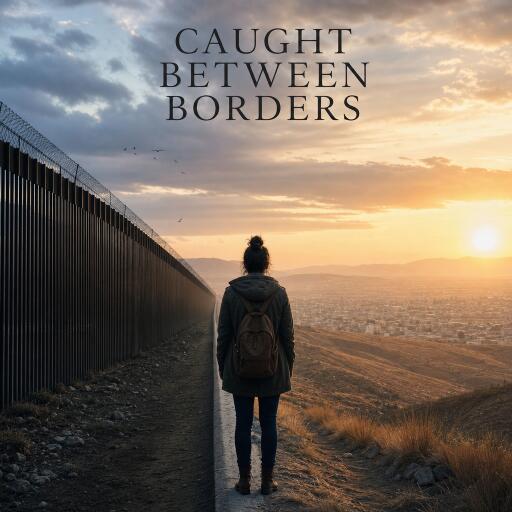

Caught Between Borders
On the edge of a long, tangled frontier, families displaced by a distant crisis are living in a limbo carved by policy and fear. When upheaval swept across the neighboring country, dozens of communities sought shelter in the rolling hills and valleys of India’s northeast, turning quiet border towns into improvised refuges.
In the camps and huts scattered across Kamjong district, people arrive from multiple backgrounds—Chin communities linked to the Kuki-Zo umbrella, Shan, and other groups with ties across the border. A growing number of Meitei families also sought safety on this side of the line. The pace of arrivals slowed only as weather turned or resources ran tight, but the sense of precariousness remained constant. The camps became a mosaic of languages, customs, and rituals sung at dusk by families who had only the clothes on their backs and a shared sense of urgency.
Local residents extended hospitality—sourcing groceries, offering a blanket, lending a hand to a weary traveler. Yet the official response carried its own weight. Authorities undertook biometric registration to document newcomers, a move framed as a way to understand needs and plan orderly movement if and when conditions improved. Humanitarian groups tried to bridge the gap between survival and dignity, delivering essentials and monitoring living conditions under the watchful eyes of security forces.
One young woman, twenty‑three, lives with a small child born in the camp. The child shakes hands with nearby security personnel and strangers alike, a small gesture that carries the gravity of a larger moment. Her smile widens briefly, then the ache in her eyes returns. “We did not deserve this fate,” she says with a quiet heartbreak that lingers long after the words fade.
The residents of the camps come from Upper Kabaw Valley villages in Myanmar, with roots in Ongjia, Phailin, and Momo. The Momo people, sometimes called Mongiang, appear in local maps under different names, a reminder of how borders redefine identity as much as geography. The displacement narrative unfurls with the broader political backdrop: the upheaval in Myanmar’s towns and districts sent ripples across the border, where communities on both sides carried memories of shared meals and family ties that now felt distant.
Across the frontier in Mizoram, the situation appeared differently at first. Authorities signaled openness to those fleeing persecution linked to pro-democracy efforts, suggesting a degree of regional sympathy even as the politics of neighboring states shifted. Yet the mood in border districts can change quickly. When clashes later flared again between local ethnic groups in 2026, the pressures on refugees intensified, and even protected spaces faced new strains as suspicions and resentment bubbled to the surface.
Geography matters here. India’s border with Myanmar stretches about 1,600 kilometers across several states, with porous sections that complicate daily life for migrants and security forces alike. In Manipur, Mizoram, Nagaland, and Arunachal Pradesh, the question of how to treat those who cross the line remains unsettled. There is no unified national framework for refugee protection, and the nation has not joined the 1951 Refugee Convention or its 1967 Protocol. Instead, policy tools operate on a case‑by‑case basis, guided by administrative procedures and visa-like instruments designed to manage access and stay.
This approach leaves refugees in a fragile position: protection can feel conditional, and the line between asylum and deportation blurred by shifting security concerns and political discourse. Even as humanitarian actors attend to immediate needs—food, shelter, medical care—the long arc of policy continues to lag behind the lived reality of thousands who have found themselves caught between borders.
Time for Action
Security concerns dominate the official narrative here. Authorities emphasize the need to deter armed groups and quell violence, framing border security as essential to stability. Across the region, security forces have expanded their outreach, deploying specialized units to confront insurgent activity and disrupt logistics networks that could threaten civilian safety. This posture, while intended to reduce violence, often translates into a climate of heightened surveillance and swift, punitive responses in communities already on edge.
The defense establishment has framed recent operations as a turn away from decades of unrest toward a more stable future. High‑profile statements from national leadership, delivered in regional forums, have underscored a shift away from chaos toward opportunity, portraying the security campaign as a necessary step to protect civilians and preserve national integrity. Yet such assurances sit alongside concerns from refugees and local residents who worry about their daily security, dignity, and future prospects in a landscape where policy can pivot at a moment’s notice.
The human cost of these policies is rarely captured in headlines alone. For families living in camps, every day is a test of resilience: navigating crowded conditions, maintaining cultural practices, and hoping for a path that does not circle back to exile or neglect. For some, the risk of returning home is weighed against the reality of ongoing danger; for others, the choice remains to stay and endure, even as resources shrink and uncertainty grows.
Looking ahead, the situation in border regions highlights a broader tension: the balance between safeguarding national interests and upholding humanitarian obligations. While security measures may reduce immediate threats, they must be paired with practical support and clear, rights‑based frameworks that can guide long‑term outcomes for displaced communities. The stories from the camps—of mothers and children, of elders who remember a time of easier passage, of neighbors who shared bread and now share concerns—offer a reminder that borders exist not just on maps, but in the lives of those who live with them every day.
If policymakers and communities can translate empathy into policy, the arc from displacement to durable settlement can bend toward safety, dignity, and a future where crossing a border no longer means choosing between survival and humanity.