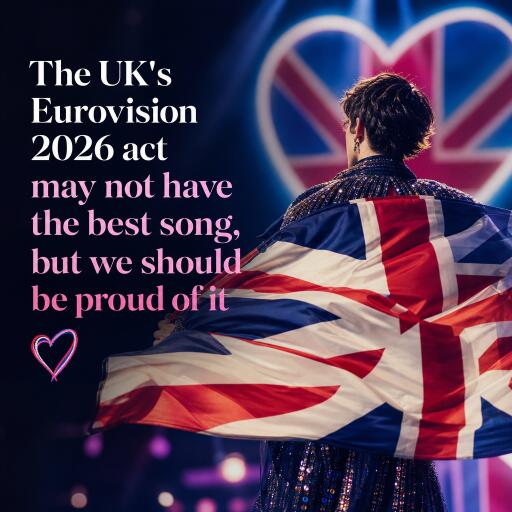

The UK’s Eurovision 2026 act may not have the best song, but we should be proud of it
In a year crowded with glossy productions and stadium-ready pop, the United Kingdom rolled out something boldly unconventional for the Eurovision final. The entry, fronted by an inventive digital musician operating under a quirky stage persona, delivered a performance that leaned into spectacle over a pristine chorus. The result was a show that was equal parts curiosity and energy, a package that demanded attention from the crowd and judges alike.
The act’s onstage personality was built around playful chaos: rapid-fire, almost cartoonish choreography, offbeat lines that felt like a wink to fans of underground electronics, and a confidence that suggested the performer was having as much fun as the audience. It wasn’t a conventional ballad or a stadium-pop anthem, but it was memorable in a way that few entries manage to be. In the realm of Eurovision, being unforgettable can be more valuable than being flawless, because the voting audience responds to moments that feel unique and characterful rather than sterile polish.
When we look back at the UK’s recent history in the contest, it’s clear why this approach stands out. The past several attempts showed good performances and solid talent, yet many felt forgettable in a field that rewards distinctiveness. The nation’s last victory arrived back in 1997, a reminder that the event can reward infectious vibes and a certain boldness just as much as vocal prowess. The current strategy signals a shift: a willingness to gamble on a personality-driven, visually striking act rather than chasing a single perfect pop single.
The performer behind the project has committed fully to the whimsy and absurdity that Eurovision can celebrate. It’s a mode of performance that isn’t about solemnity or self-seriousness; it’s about creating an experience that feels different and engaging from the first moment to the last. Even for skeptics, the energy is hard to ignore, and that kind of engagement matters in a competition where thousands of viewers decide in a matter of seconds which acts to support.
Does this guarantee a win? Not necessarily. With twenty-five countries sharing the final stage, the field is exceptionally competitive, and many entries will boast more conventional hooks. But the signal being sent is meaningful: the UK is willing to try something new, to lean into novelty, and to trust the audience’s appetite for a memorable character and a memorable moment. In the long run, that willingness to embrace risk could translate into stronger performances and better results in subsequent years.
There’s precedent for this approach paying off when a song or act catches the public imagination despite its eccentricities. Look no further than recent acts whose offbeat energy became a fan favorite and helped them climb the rankings through sheer momentum. The phenomenon isn’t about abandoning quality; it’s about amplifying personality and emotional resonance in a way that makes viewers feel something tangible—laughter, surprise, delight, or a sense of shared spectacle.
From a broader perspective, this moment marks a potential turning point for the country’s Eurovision strategy. If a bold, unconventional showcase can generate conversation and emotional response, it becomes a blueprint for future entries: pairing a strong, cohesive concept with a performance that makes people remember the moment long after the broadcast ends. That combination—distinct identity paired with genuine commitment—often proves more influential than a flawless but forgettable tune.
In the weeks ahead, what matters most is how the act—and the broader team—builds on this approach. The Eurovision stage rewards not just the song but the story, the vibe, and the unmistakable imprint a performance leaves on viewers. The UK’s current direction suggests a thoughtful balance: maintain courage in presentation while continuing to develop the musical ideas that can sustain attention beyond the live moment. If the nation can sustain that balance, there’s a real path toward stronger results in future contests.
So while the score may hinge on multiple factors, one thing is clear: pride is warranted when a country steps outside the comfort zone to spark conversation. The journey toward a standout Eurovision profile is incremental, and this year’s act contributes a bold, tangible chapter. It’s not about chasing perfection; it’s about creating moments that people remember, long after the final curtain drops.
As fans and critics dissect what works and what doesn’t, the essential takeaway is optimism: the UK is embracing variety, and that openness can pay dividends. If novelty can become culture, and character can translate into votes, then the coming years could bring a new era of competitive, exciting entries that captivate audiences across Europe.