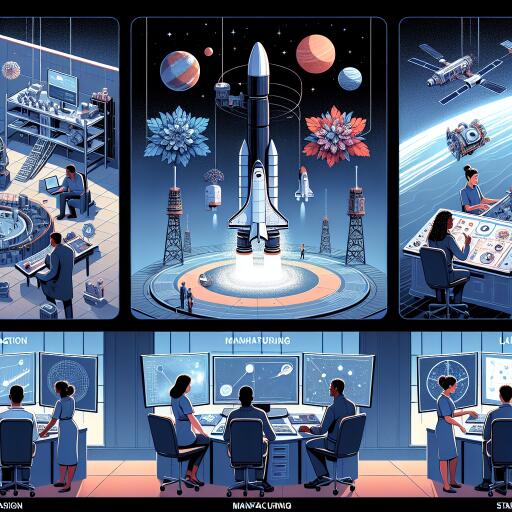

Introduction to the Importance of Modeling and Simulation (M&S) in the U.S. Space Force
In the current era, where space activity plays a pivotal role in national security and technological advancement, the U.S. Space Force (USSF) stands at the forefront of space innovation. A significant method for advancing USSF’s capabilities and efficiency is through adept use of modeling and simulation (M&S) technologies. This article delves into a recent study examining ways the USSF can enhance its utilization of M&S across the space system life cycle to foster a modernized and more efficient operational framework.
Identifying Gaps in the Current M&S Framework
Upon conducting detailed interviews with USSF M&S stakeholders, it became evident that there are several critical gaps that ought to be addressed. The foremost issue identified is the absence of M&S at various fidelity levels. This is closely followed by challenges in tool interoperability and the lack of readily available models. Furthermore, all survey respondents indicated the need for a workforce better skilled in digital engineering, equipped with enhanced M&S capacity, as a priority for facilitating improvements.
Indeed, these gaps hint at a broader necessity for more robust collaboration between different USSF organizations and stakeholders. As it stands, insufficient communication and resource sharing have hindered the full potential of M&S applications within the USSF.
USSF Stakeholders’ Proposed Solutions
To bridge these gaps, USSF stakeholders have highlighted three prime solutions. Firstly, the imperative of having accessible and shareable information and data across organizations was stressed. This transparency is essential for seamless synchronization and operation. Secondly, stakeholders underscored the need for comprehensive M&S tools and environments, enabling realistic and flexible simulation scenarios. Lastly, building effective modeling capabilities coupled with rigorous documentation practices would further streamline operations and ensure clarity in communication.
To attain these objectives, learning from exemplary organizations in both government and industry sectors is crucial. These organizations exemplify the utility of having a skilled and well-trained workforce, cultivating a culture of collaboration, implementing digital engineering practices early in project lifespans, and integrating digital twins thoughtfully into systems.
Recommendations for Enhancing M&S in the USSF
The study distills its recommendations into four pivotal categories, each crucial for enhancing M&S within the Space Force:
1. Workforce Development
Enhancing the M&S capacity starts with investing in developing a skilled workforce. This includes training current personnel and recruiting new staff with digital engineering expertise. Short-term measures might involve workshops and targeted training sessions, while long-term strategies could focus on revising recruitment policies and establishing comprehensive educational programs.
2. M&S Environment, Tools, and Data
Improving the technological environment is critical for more effective simulations. In the short term, a review and upgrade of existing tools can be carried out to improve current capabilities. Over the longer term, investing in leading-edge simulation technologies and establishing a centralized database for easier access to models and data should be prioritized.
3. Organizational Structures and Processes
Reconfiguring organizational processes can foster better collaboration and communication. Immediate changes might include the standardization of procedures across various units. For the future, restructuring teams for greater cross-functional collaboration and creating dedicated units for overseeing M&S processes could be beneficial.
4. Leadership Initiatives
Leadership is integral in driving these changes. In the short term, leaders should focus on fostering a collaborative culture within their teams. A commitment from the leadership to long-term strategic planning and investments in M&S represents a crucial step towards sustained improvements across the life cycle.
Conclusion
The strategic enhancement of modeling, simulation, and analysis capabilities within the U.S. Space Force is essential for their continued evolution and effectiveness in space operations. While some recommendations can be implemented promptly, others require a more systemic approach over time. What remains clear is the necessity for change, a drive towards modernization, and solid leadership to ensure these proposed improvements are realized. As new technological challenges and opportunities continue to arise, the ability of the USSF to adapt and utilize advanced M&S systems will be a cornerstone of their operational success.