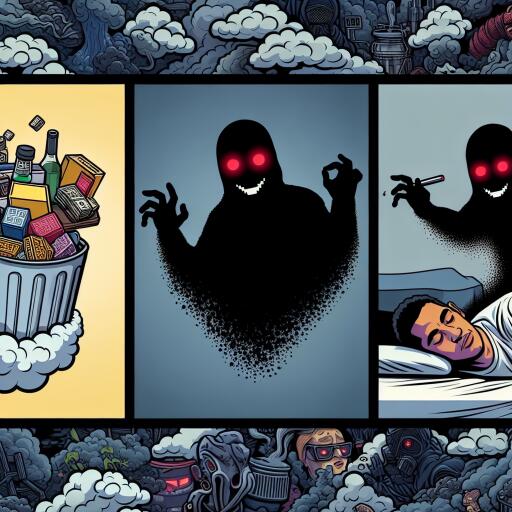

When Steam robs you, Konami bores you, and Doom smokes you out
Steam’s latest cautionary tale: when “indie” becomes “infostealer”
BlockBlasters arrived on Steam in July as a chunky, retro-styled diversion. Then, on August 30, an update landed that transformed it into something far uglier. Security researchers say the patch carried malware designed to dodge antivirus checks, scrape browser data, and empty crypto wallets. By the time the alarm was raised, losses reportedly exceeded $150,000 across hundreds of victims.
One streamer learned it the hard way during a live session, watching tens of thousands of dollars in community donations disappear in minutes. The game was finally removed from Steam on September 21—weeks after the compromised build appeared—leaving a bitter question: how did it get that far in the first place?
Incidents like this underline a hard truth: big storefronts aren’t bulletproof. If you keep crypto on the same PC you use to download and test games, you’re rolling the dice. A few quick defenses worth adopting right now:
- Keep wallets off your daily gaming rig; use a separate device or hardware wallet.
- Lock down your browser: disable password autofill, prune extensions, and use a dedicated profile for finance.
- Sandbox unfamiliar games or run them on a secondary machine.
- Monitor approvals and revoke suspicious permissions tied to your wallets.
- Don’t install updates blindly—wait a beat, check community chatter, and verify developer activity.
Behind every breach are people who can’t simply reload a save. Treat your setup like it’s already being targeted—because sometimes, it is.
Silent Hill f: a foggy brand, a different town
Silent Hill thrives on dread that crawls under your skin—psychology over jump scares, symbolism over spectacle. Silent Hill f, however, walks a different path. Instead of the series’ trademark unease and layered mythos, it leans into a schoolyard slasher vibe wrapped in floral body horror. The result feels more like an unrelated horror IP wearing Silent Hill’s jacket.
Its alt-reality “Dark Shrine” sequences repeat themselves instead of burrowing deeper. The explorable spaces are small and sparse, with little of the environmental storytelling that defined earlier entries. Text left untranslated in key areas leaves non-Japanese players squinting at the margins instead of soaking in the mood. Combat rarely rises above serviceable, and the interface has the stiffness of an early prototype.
Even with multiple endings, the connective tissue to the series’ identity feels thin. There are flickers of something intriguing—aesthetic moments, tonal flourishes—but they rarely coalesce into the oppressive, personal nightmare that made the brand famous. It’s not that Silent Hill can’t evolve; it’s that this iteration introduces a new language while forgetting why the old one mattered.
Doom, but make it vapor
“It runs Doom” remains the ultimate tech party trick, and the latest stage is a nicotine-free novelty: a color-display vape. A creative developer-hacker combo managed to pipe Doom onto an Aspire Pixo Kit’s tiny screen at around 6 frames per second, thanks to its onboard 32-bit microcontroller. The catch? It’s not truly running the game; the device acts like a micro display while the PC does the heavy lifting over USB.
With only 64 KB of RAM, native Doom is a non-starter—the classic shooter typically wants megabytes, not kilobytes. Still, turning a vape into a micro-monitor is a wonderfully ridiculous flex. It’s impractical, sure, but that’s the point: hardware hacking’s charm is in bending objects into doing things they were never meant to do. Today it’s Doom on a vape; tomorrow, who knows—Crysis on a calculator?
The throughline: trust is fragile, curiosity is eternal
Three stories, one mood swing: a storefront that let a poisoned update slip through; a beloved horror brand shedding its skin; and a decades-old shooter lighting up a device designed for something entirely different. If there’s a lesson here, it’s that the line between delight and disaster is thin—and we’re all tightrope-walking across it.
Be skeptical of sudden updates. Be honest about what makes a series what it is. And never underestimate the creativity of people determined to make the world’s most stubborn software run in the weirdest places. Just maybe keep your crypto far, far away while you watch.