‘Miracle Machine’: Kota’s New AI System Tracks Every Minute Of Student Learning
Kota’s coaching ecosystem draws tens of thousands of aspirants each year to prepare for competitive entrance exams like NEET and JEE. The odds remain unforgiving: in NEET UG 2025, 12.36 lakh candidates qualified but competed for just 1,15,900 MBBS seats across government, private and other medical colleges—meaning only about one in ten qualifiers can secure a medical seat. With more than 200,000 students cycling through hundreds of coaching centres annually—and frequent headlines about stress and student well-being—the pressure to make learning more personalized and humane is intense.
Enter the ‘Miracle Machine’
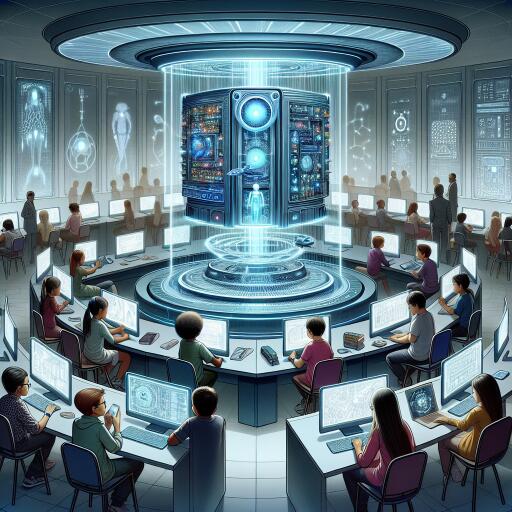
Motion Education Coaching Institute says it has built a patented AI-driven device—dubbed the “Miracle Machine”—to track learning minute by minute, pinpoint weak areas, and generate individualized homework and practice papers. The idea is simple but ambitious: analyze how each student learns, then adapt the next set of tasks so students can move at their own pace rather than chase a one-size-fits-all syllabus.
Where It’s Deployed—and What Powers It
According to the institute’s academic manager, Padam Singh Sisodia, the Miracle Machine is installed across more than 90 centres in Kota and other cities. In total, over 150 machines are in operation. The hardware runs on the institute’s software platform, Unidex, which acts as the connective tissue between students, teachers, parents and administrators.
Unidex creates a unique profile for every learner with detailed information relevant to their chosen stream (NEET or JEE). The Miracle Machine then operates on this profile data, continuously logging student activity to build a dynamic picture of progress and needs.
How the System Works
Teachers continue to run regular classes and periodic tests. The AI becomes most active after each test, when fresh performance data arrives. Based on Sisodia’s explanation, that is the trigger point: the Miracle Machine analyzes the results to understand not only what a student got right or wrong, but also how long they took per question.
In practice, that means the system:
- Records time spent on each question to detect pacing issues or second-guessing.
- Tracks correct versus incorrect responses to map conceptual strengths and gaps.
- Aggregates activity over time to reveal trends and mastery levels.
Armed with this information, the AI auto-generates targeted homework and practice papers tailored to each student’s current ability. If a learner is consistently slow on a topic—even when accurate—the machine can assign timed drills; if accuracy drops on a specific concept, it can prioritize concept-building questions. The result is a feedback loop that personalizes what comes next rather than pushing everyone through the same worksheet.
Why This Matters in Kota
Kota’s scale and intensity make it hard to deliver truly individualized attention in every classroom. A system that captures fine-grained learning signals—down to timing per question—can help teachers triage where to intervene and give students a more realistic path to improvement.
Potential benefits include:
- Personalized progression: Students advance at a pace that matches their readiness.
- Focused practice: Time isn’t wasted on mastered topics; effort targets weak spots.
- Actionable visibility: Teachers, parents and management get a shared view of progress via Unidex.
Patented Hardware, Software Glue
Motion Education describes the Miracle Machine as a patented device integrated tightly with Unidex. While the institute hasn’t publicly detailed the algorithms, the core loop is clear: collect granular test data, analyze performance, then deliver tailored assignments. The emphasis on post-test analytics allows the system to react to fresh evidence rather than rely solely on static assessments.
The Human Layer Still Matters
Despite the automation, the model depends on teachers for instruction quality and for interpreting AI feedback. The machine’s outputs—diagnostics and customized papers—are most effective when teachers contextualize them, coach test-taking strategies, and support students emotionally, especially in a high-pressure environment.
Key Questions Going Forward
As with any data-driven system in education, important issues deserve attention:
- Data privacy and security: How is student information protected within Unidex?
- Transparency: Do students and parents understand how recommendations are generated?
- Fairness: Are there safeguards to avoid penalizing neurodivergent learners or those with different pacing profiles?
- Over-surveillance: How does minute-level tracking balance insight with student autonomy?
Bottom Line
Kota’s “Miracle Machine” represents a notable push toward precision learning at scale: AI that analyzes test behavior in detail and responds with personalized practice, deployed across more than 90 centres with 150-plus devices. In a city where marginal gains can determine who makes it to an MBBS or engineering seat, such systems could help students focus where it counts. The promise is individualized pacing and sharper feedback; the test will be delivering those benefits while keeping student well-being and data ethics front and center.