
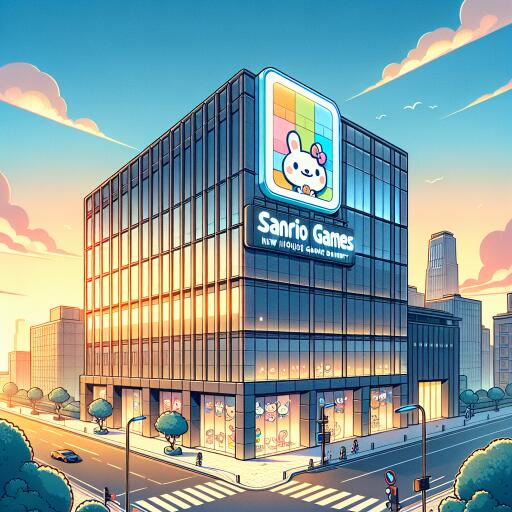

Sanrio establishes in-house gaming brand Sanrio Games
Sanrio, the company behind Hello Kitty and friends, is building a dedicated home for its interactive ambitions with the launch of Sanrio Games, a new in-house publishing and development label. The initiative marks a decisive shift from a decades-long licensing-first approach to a strategy where planning, production, and publishing are handled under one roof.
A three-year slate, starting in 2026
Sanrio Games is targeting ten releases over the next three years, with multiple projects already in production or pre-production. The first title out of the gate is Sanrio Party Land, planned for autumn 2026 on Nintendo Switch and the next-generation Nintendo console expected around that time. A second game is slated to follow in March 2027, with additional titles queued behind it as the label ramps up output.
Investment and goals
To support this push, Sanrio intends to invest roughly ¥10 billion (about $63 million) across development and marketing during the initial rollout. The company’s aim isn’t just to ship games starring its famous mascots; it also wants to cultivate brand-new gaming IP that can stand alongside its established roster. By controlling development internally, Sanrio can iterate faster, align gameplay with character storytelling, and better coordinate launches across merchandise, events, and other media.
From licensing to a hybrid model
Sanrio’s characters have long appeared in games via licensing deals, and that pipeline isn’t going away. Recent examples include Hello Kitty Adventure, developed externally and brought to multiple platforms after its debut. Sanrio Games adds a complementary track: select projects will now be conceived, built, and published by Sanrio itself, deepening the connection with fans and broadening the types of experiences the company can deliver.
Global expansion through play
Leadership at Sanrio sees games as one of the most effective ways to reach new audiences—especially in North America—while giving existing fans fresh reasons to engage. The expectation is that successful releases will not only grow the gaming business but also amplify demand for Sanrio’s broader portfolio, from collaborations to consumer products. In short, the label is being positioned as both a creative engine and a multiplier for the company’s global presence.
What players can expect
- Character-first design: Experiences that foreground Sanrio’s warmth, humor, and approachable style.
- All-ages appeal: Games designed to be easy to pick up, with depth for dedicated fans.
- Platform-conscious development: Titles tuned for current and upcoming Nintendo hardware, with the potential for broader platforms depending on the project.
- New ideas alongside familiar faces: Room for original IP to develop within Sanrio’s universe, not just cameo-driven spin-offs.
Why this matters
For years, character IP holders have relied on external partners to translate beloved brands into games. The recent wave of companies taking development in-house reflects a desire for tighter creative control and longer-term value. In Japan, Sanrio isn’t alone in this pivot: other entertainment firms are setting up their own labels to build games for PC and consoles, chasing durable franchises rather than one-off tie-ins.
The road to launch
Sanrio Party Land will be the first proof point for the label’s approach when it arrives in 2026. With a follow-up planned soon after and several additional projects advancing behind the scenes, Sanrio Games is clearly structured for sustained output rather than a single splash. If the team can pair accessible gameplay with the company’s instantly recognizable aesthetics—and seed a few fresh ideas along the way—it could quickly become a cornerstone of Sanrio’s future entertainment strategy.