
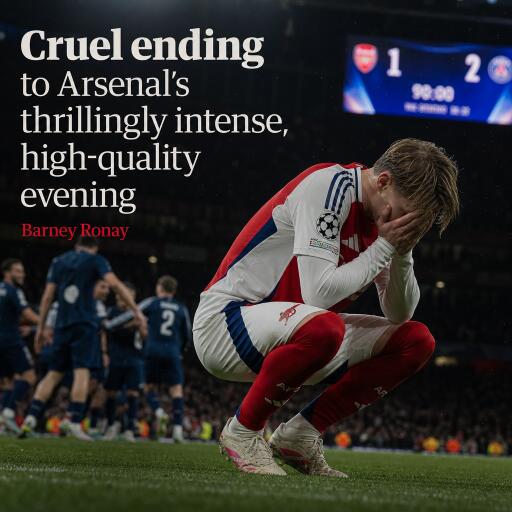

Cruel ending to Arsenal’s thrillingly intense, high-quality evening
In a night that felt carved from a sculptor’s patience, Arsenal and Paris Saint-Germain rattled each other with equal parts poise and pressure, ending in a penalty duel that underscored why this game lives on the edge of cruelty and beauty. The setting was a vast, grey bowl of a stadium, where the air hung heavy with humidity and expectation, and every touch carried the weight of a season’s worth of decisions.
Arsenal approached the final with a precision-born plan: concede possession, stack the middle, and punish transitions with sharp movement. It was a display of discipline as much as invention, a reminder that top-level football remains a craft of micro-choices. In the engine room, a 17-year-old was asked to shoulder a monumental task: take on Vitinha and make room for a Manchester-born midfielder who had suddenly become the team’s best metronome. The youngster answered with energy, nuance, and a sense for space that belied his years. The shift in rhythm allowed Arsenal to move the ball quickly and press relentlessly when PSG tried to dictate tempo.
Arsenal struck first, a moment that felt both inevitable and exquisite. A well-angled cross, deflected into the path of a swift attacker, opened the door. The finish curled perfectly, a kiss of the crossbar and the back of the net that left the keeper with no chance. It was not a fluke; it was a carefully choreographed moment born from a team that had spent the season refining small advantages into big results. The quiet hum of anticipation around the arena gave way to a roar that seemed to lift the game onto a higher plane.
PSG answered with the resolve you expect of a side that has built a domestic dynasty and is chasing continental gold. They found pockets of space through patient build-up, forcing Arsenal to sprint into lines of pressure. The game’s tempo swung between lull and thunder as both teams swapped attacks and defensive transitions with a clockwork rhythm. In midfield, the young Arsenal pivot held its own against one of Europe’s most celebrated trios, and the visitors found a way to apply pressure without losing shape. The tactical chess remained fascinating long after the ball stopped, with every reset revealing a new wrinkle to exploit or defend.
By the midway point, the balance had shifted from artistry to grit. Arsenal’s structure stayed intact, their shape refusing to crack under the weight of the moment. PSG pressed with a stubborn, almost clinical intensity, pushing their advantage without surrendering the discipline that had carried them through a demanding campaign. The crowd sustained a chorus of noise that felt like a living thing, a partner and a test at once, pushing the players to sustain the high level with every sprint and challenge.
Into the second half the drama intensified. Minutes bled into minutes as chances came and went, each stop and start accompanied by a chorus of shouts and the echo of boots on the pitch. The decisive moment finally arrived when a French attacker drew a foul inside the box, setting up a penalty that the drama of the night had earned. The kick found its corner, a reminder that in football’s grand theatre, penalties are not merely a test of skill but of nerve and composure under the bright glare of a final whistle.
Despite the setback, Arsenal refused to buckle. They carried themselves with a resolve that suggested this was more than a match; it was a proving ground. The team’s young talent absorbed the pressure, chasing every ball with crunchy honesty and a willingness to sprint beyond fatigue. The goalkeeper, too, was tested with a series of high-stakes moments, his body language a study in focus and readiness as he battled to keep the scoreline level and the fate of the trophy in reach.
As the minutes ticked away, the match drifted into the realm of penalties, a lottery of nerves and precision. The tension sharpened into almost unbearable clarity as the first kick sailed high and wide, another sailed true, each result pulling the collective breath of the terraces in a synchronized sigh. By the time the final kick left the pitch, the story of the night had been written in the language of small errors and heroic saves, a testament to the cruelty and generosity that coexist in football’s most cinematic moments.
In the end, the champions emerged not just as winners but as custodians of a difficult, uncompromising style. They had earned their success through relentless work, smart decisions, and moments of audacious quality that reminded everyone why the sport remains unequaled when it is at its best. For Arsenal, the night was not a tragedy but a compelling late chapter—an evening that offered honest light and shadow in equal measure, a demonstration that high-level football can be beautiful even when the scoreboard does not tilt in your favour.
As the stadium emptied and the lights dimmed, the sense lingered: this was a season defined by patience, not spectacle alone, and by fidelity to a plan that demanded sacrifice. The lesson from Budapest was clear: great football asks big questions, and even when answers are hard to carry home, the pursuit itself is worth the struggle.