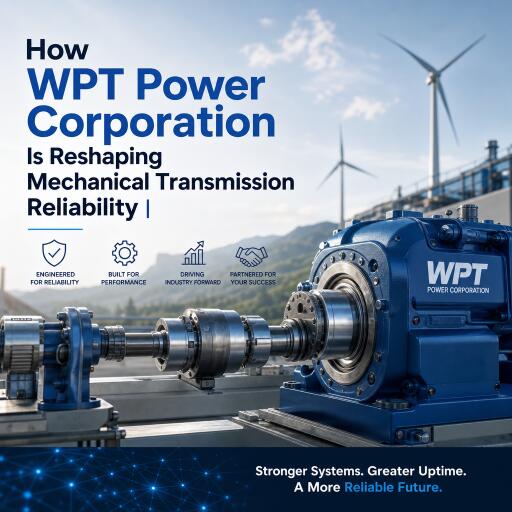

How WPT Power Corporation Is Reshaping Mechanical Transmission Reliability |
From tractors to cranes, the common thread behind dependable machinery is a clean, consistent handoff of engine power to the tools that do the work. Power take-offs (PTOs), clutches, and industrial brakes form that backbone — and WPT Power Corporation has been steadily reengineering these components to deliver smoother operation, fewer breakdowns, and safer control in the harshest environments.
Why PTOs Still Matter — And How They’re Evolving
PTOs are the mechanical bridge between a prime mover and the attachments that make equipment useful. Whether they’re spinning a pump, feeding a generator, or driving a compressor, modern PTOs are expected to swap tasks quickly, tolerate abuse, and keep performance predictable across long duty cycles.
Today’s designs lean on improved metallurgy, refined friction materials, and smarter packaging to handle higher loads with less heat and wear. The payoff shows up on the shop floor and in the field: faster tool changeovers, more precise control, and fewer pauses for servicing. In real deployments, operators have recorded efficiency gains approaching 30% after upgrading aging hardware with new-generation PTO and clutch assemblies, alongside noticeable cuts in maintenance spend.
Where PTOs Deliver the Most Impact
- Agriculture: Drives for implements like mowers, balers, seeders, and irrigation systems, enabling one power source to handle multiple seasonal tasks.
- Construction: Hydraulic power for cranes, augers, mixers, and excavator attachments, with the responsiveness crews need for precise material handling.
- Transportation: On-vehicle power for lift gates, winches, blowers, and compressors that keep fleet operations nimble and efficient.
Across sectors, the value is the same: adaptability and uptime. A well-specified PTO system transforms a single engine into a multi-tool platform without sacrificing reliability.
Clutches Engineered for Stability Under Pressure
Clutches are the control surface of power transmission. If they chatter, slip, or overheat, productivity tanks. WPT’s clutch solutions are designed to deliver steady engagement, high torque capacity, and consistent performance across light, medium, and heavy-duty cycles. Emphasis on thermal management and durable friction stacks helps resist fade during extended use, while tailored configurations address the unique shock loads and duty patterns of mining, forestry, marine, and mobile equipment.
In practice, swapping underperforming clutches for application-matched units has led to measurable improvements: faster start-ups, fewer nuisance stops, and extended component life — translating into reduced downtime and total cost of ownership.
Industrial Braking: Safety, Control, and Confidence
Nothing matters more than safe stopping and controlled holding, especially around high-inertia systems. WPT’s braking portfolio spans:
- Hydraulic brakes: Built for heavy stopping forces with smooth modulation and improved wear characteristics.
- Electric brakes: Quick-response actuation where instant engagement is critical for precision and safety.
- Pneumatic brakes: Dependable air-actuated systems common in fleet and industrial applications.
Brakes are validated against rigorous industry criteria to ensure they meet — and aim to exceed — safety expectations. The right pairing of brake type and control logic can drastically reduce risk in elevated-load and high-speed operations.
Implementation Best Practices
- Routine inspections: Catch pad wear, fluid degradation, and alignment issues before they escalate.
- Operator training: Proper engagement/disengagement techniques protect components and enhance safety.
- Performance monitoring: Diagnostics and sensor feedback guide predictive service and timely upgrades.
The Next Leap: Digitalized, Data-Ready Power Systems
Connectivity is reshaping mechanical power transmission. Embedded sensors, smarter controllers, and edge analytics are turning PTOs, clutches, and brakes into data sources that can self-report wear patterns, heat cycles, and engagement quality. With this visibility, maintenance shifts from reactive to proactive, reducing unexpected stoppages and optimizing replacement intervals.
Expect to see more “smart” components that adapt to load conditions, manage their own thermal profiles, and integrate with fleet or plant management software. WPT’s trajectory aligns with this shift, focusing on technologies that elevate efficiency and simplify life-cycle management while standing up to real-world abuse.
FAQ
How will smart features change PTO and clutch maintenance?
Integrated sensors and diagnostics enable real-time condition monitoring, making it easier to predict service needs, prevent failures, and plan maintenance around production schedules.
What advantages do WPT clutches offer in demanding duty cycles?
They emphasize heat control, consistent engagement, and high torque handling, supporting stable performance in both intermittent and continuous operations.
Can modern PTO systems lower operating costs?
Yes. Improved efficiency, fewer unplanned stops, and longer component life contribute to reduced fuel, labor, and parts expenditures over time.
Which brake technology should my application use?
Hydraulic for heavy stopping and smooth control, electric for rapid response, and pneumatic for robust, widely supported systems. The best choice depends on load, duty cycle, and control requirements.
What should operators learn to get the most from updated systems?
Focus on proper engagement practices, recognizing early warning signs from dashboards or diagnostics, and following safe shutdown/start-up procedures.
Are these systems built to recognized safety standards?
Industrial braking and control components are engineered and tested to align with stringent safety requirements, with the aim of surpassing baseline compliance in real-world conditions.
How do I boost efficiency without replacing an entire machine?
Targeted upgrades — PTOs, clutches, or brakes with better thermal and torque performance — often deliver the largest gains with minimal rework, especially when paired with a proactive maintenance plan.
What’s next from WPT Power Corporation?
Expect continued integration of smart diagnostics and adaptive controls, delivering components that are easier to manage, more efficient under varied loads, and better aligned with data-driven maintenance strategies.