
Yandex Uzbekistan Launches Alisa with Uzbek Language Support
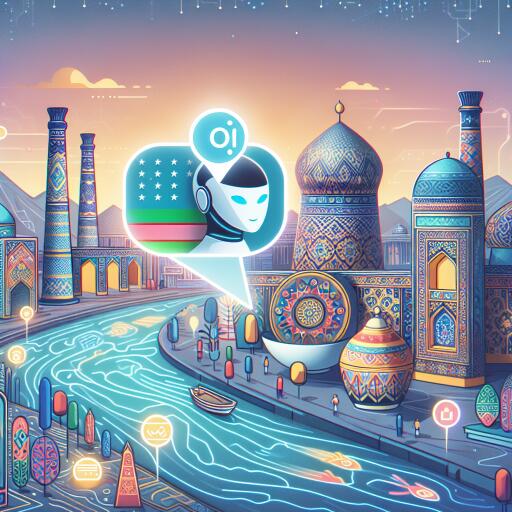
Yandex Uzbekistan has rolled out a major update to its virtual assistant Alisa, adding full Uzbek language support on smart speakers. Users can now speak to Alisa in either Uzbek or Russian, and the assistant automatically adapts to the language it hears—no manual switching required.
Powered by a Locally Tuned Language Model
The new Alisa experience is driven by Yandex’s large language model, fine-tuned with local Uzbek data to capture regional speech patterns and vocabulary. The project brought together professional editors, linguists, and over 100 data annotation specialists to refine understanding and responses in natural Uzbek.
Tested Across Uzbekistan
To validate real-world performance, Yandex engaged 300 users from 13 regions of Uzbekistan over several months. Participants posed questions and tasks to Alisa in Uzbek, helping the team improve speech recognition accuracy and conversational flow. This testing phase aimed to ensure the assistant handles diverse accents, phrasing, and everyday queries with greater reliability.
What You Can Ask Alisa
- Explore culture and history: Ask, “Alisa, O’zbekistonda eng mashhur shoirlar kimlar?” to hear stories about renowned Uzbek poets.
- Family-friendly entertainment: Say, “Alisa, o’zbek ertaklarini yoq,” and the speaker will play a curated playlist of Uzbek folk tales.
- Day-to-day assistance: Use natural Uzbek for common requests—setting reminders, checking weather, or getting news—without switching languages.
“To make Alisa speak Uzbek, we trained the language model on local data. Now that our AI assistant understands and recognizes Uzbek commands and questions, it will be able to assist users even more effectively in their daily lives,” said Ulugbek Sharipov, Alisa’s product manager at Yandex Uzbekistan.
Why It Matters
Localized language support is a pivotal step for digital inclusion. By enabling Uzbek alongside Russian, Alisa becomes more accessible to a broader segment of users across Uzbekistan, including households and classrooms where Uzbek is the primary language. Experts note that such localization advances the quality of native-language digital services and helps expand access to modern technologies nationwide.
The Bottom Line
With bilingual understanding and locally tuned AI, Alisa’s Uzbek launch on smart speakers marks a meaningful upgrade for users in Uzbekistan—bringing more natural conversations, cultural relevance, and hands-free help to everyday life.