
The Future Of Language Learning: How Duolingo Keeps Evolving – Daily Trust
Language has always been humanity’s bridge, connecting people, cultures, and ideas. In the era of smartphones and AI, that bridge is being rebuilt with code. Among the frontrunners is Duolingo, a platform that turned language study into a daily habit for hundreds of millions of learners—and keeps reinventing how we practice, test, and stay motivated.
The Rise of Digital Language Learning
The old toolkit—textbooks, classrooms, tutors—still matters. But the digital shift added speed, flexibility, and scale:
- Anytime, anywhere access on phones and the web.
- Bite-sized lessons that fit into commutes and coffee breaks.
- Adaptive practice powered by data, not guesswork.
- Game mechanics that reduce friction and boost consistency.
- Instant feedback that keeps learners moving forward.
Duolingo helped codify this playbook, pairing pedagogy with playful design—and then iterating relentlessly.
A Quick Look Back: Duolingo’s Story So Far
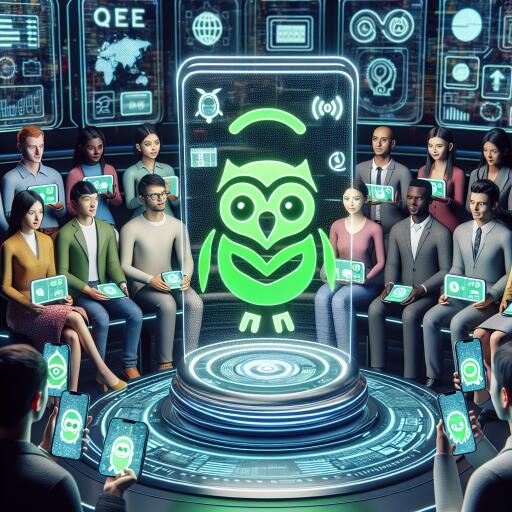
Founded in 2011 by Luis von Ahn and Severin Hacker, Duolingo began with a bold premise: make high-quality education free and accessible. The app’s cheerful owl mascot, streaks, XP, and leaderboards weren’t just gimmicks—they reframed practice as a daily micro-habit. Over time, Duolingo layered in richer content (like stories, listening exercises, and podcasts), smarter scheduling via spaced repetition, and clearer skill paths to help learners see progress without getting lost.
How Duolingo Keeps Evolving
Unlike static courses, Duolingo behaves like a living product—shipping changes, A/B testing features, and adapting lessons based on performance data:
- Adaptive learning flows that dial difficulty up or down in real time.
- Speech and listening challenges that approximate real conversations.
- Scenario-based practice that moves beyond flashcards to context and meaning.
- AI-supported feedback that pinpoints errors and suggests targeted review.
The result is a loop: learn, test, adjust, repeat—faster than traditional curricula can typically iterate.
The Human Side: Community, Not Just Content
Duolingo’s staying power isn’t only algorithmic. Learners rally around shared rituals—streak milestones, friend challenges, and leagues. Across social media and local groups, people swap tips, celebrate wins, and troubleshoot roadblocks. That sense of belonging turns a solitary skill into a social journey—and keeps motivation alive when grammar gets tough.
Why Duolingo Signals the Future of Education
- Personalization at scale: lessons adapt to each learner’s pace and gaps.
- Frictionless access: a robust free tier lowers barriers globally.
- Microlearning that compounds: short sessions stack into lasting proficiency.
- Continuous assessment: progress checks are baked into daily practice.
- Playful UX: engagement mechanics nudge consistency without heavy pressure.
In short, it feels less like school and more like a conversation—with timely nudges, not lectures.
Mission First: Education as a Universal Right
Von Ahn’s background—growing up in Guatemala—shaped Duolingo’s core belief: quality education shouldn’t be a luxury. By designing for low cost, mobile-first access, and clear learning paths, the platform opened the door to language study for people who might never set foot in a classroom. That mission continues to anchor the company’s product choices and partnerships.
The Motivation Engine: Why Learners Stick
Most learners abandon language goals within weeks. Duolingo counters that with behavioral design rooted in psychology:
- Streaks and daily goals create momentum.
- XP, leagues, and friend challenges turn practice into a social sport.
- Timely reminders prompt “just one lesson” instead of procrastination.
- Immediate feedback and gentle error correction reduce frustration.
- Checkpoints, skill levels, and progress quizzes make growth visible.
Crucially, the motivation is positive—celebration over shame, nudge over nag.
Beyond 2025: Learning Without Limits
As AI and mobile hardware improve, expect language learning to feel even more conversational and immersive:
- More natural speaking practice powered by better speech models.
- Richer, scenario-based roleplays that mimic real-world contexts.
- Deeper personalization that anticipates when and how you learn best.
- Stronger bridges to real-life outcomes—from travel confidence to academic and professional goals, including recognized proficiency assessments.
- Cross-subject expansion where language intersects with culture, media, and practical skills.
In that vision, Duolingo evolves from “an app for learning words” into a companion for lifelong learning—curious, adaptive, and fun.
Final Thoughts
Duolingo’s trajectory mirrors a broader shift in education: personalized, data-informed, and human-centered. What began as a free app has grown into a global classroom where anyone—regardless of location or background—can practice communication daily. If the platform keeps blending rigorous pedagogy with playful design and community support, the future of language learning will look less like homework and more like a habit you’re happy to keep.