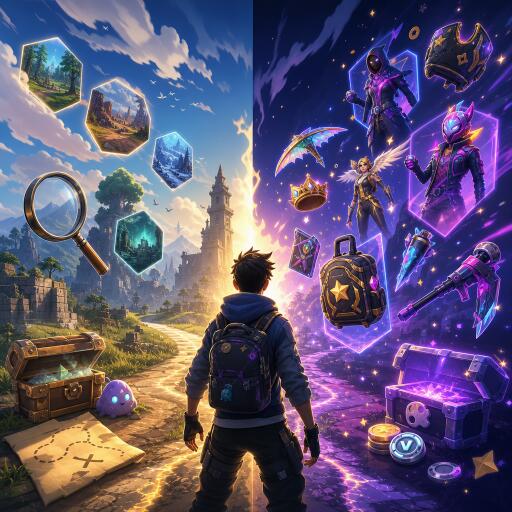

Does Cosmetic Customization Make Game Discovery More Exciting?
For a long time, cosmetic customization in games has been treated like a side feature—fun, maybe profitable, but ultimately superficial. That view misses something important. In modern gaming, skins, outfits, weapon finishes, and other visual upgrades often do far more than decorate a screen. They influence how players discover games, how communities form around them, and why older titles keep attracting fresh attention.
From a tech and marketplace perspective, cosmetics have become part of the discovery engine. They help turn game libraries into social spaces, and they give players a reason to explore titles they may have otherwise ignored.
Why cosmetics matter more than people think
The idea that cosmetic items are only about vanity feels outdated. In practice, they are tied closely to identity. Players want to build a style that reflects their personality, whether that means a rare knife skin in a competitive shooter, a sleek vehicle design in a racing game, or a signature outfit in an RPG.
That desire for self-expression affects purchasing behavior. A player may first notice a game because of a standout cosmetic shared in a stream, social clip, or Discord server. In some cases, the visual appeal of a game’s customization system creates more excitement than a traditional trailer. Limited-edition skins, crossover items, and community-made designs can generate the kind of organic buzz publishers struggle to manufacture through standard marketing.
As a result, cosmetics do not simply add value after someone buys a game. Quite often, they help drive the initial interest.
Marketplaces changed the way players engage
Digital item marketplaces have expanded this effect. Players browsing for cheap skins CS:GO or other affordable cosmetic items are not only shopping for collectibles. They are exploring a visual ecosystem. They compare styles, build loadouts, and imagine how they want to appear in-game. That process creates anticipation before a match even starts.
It also gives older games a second life. A title that may be years past launch can remain relevant if its cosmetic economy is active and culturally visible. For some users, the marketplace becomes the gateway: they discover the skin first, then the game attached to it.
This is especially true in games with strong spectator appeal. When a skin appears in a viral clip or on a popular streamer’s account, it becomes part of the conversation. Viewers often follow that interest back to the title itself, adding it to a wishlist or reinstalling it after months away.
The social layer of discovery
Cosmetic customization also works because games are no longer isolated experiences. Players move through lobbies, watch streams, join public servers, and share screenshots constantly. Visual identity travels across all of those spaces.
When someone sees a distinctive skin, they ask where it came from. That small moment of curiosity can turn into a wider interest in a game’s systems, community, or even its lore. In that sense, cosmetics operate like a discovery tool built into the player experience.
Games with deep personalization systems often benefit from this community-driven momentum. Forums fill with outfit showcases, trading discussions, ranking lists, and style guides. Social channels become easier entry points for newcomers because they offer something instantly understandable: look at this design, this collection, this rare item. Mechanics may take hours to appreciate, but aesthetics can grab attention in seconds.
Cosmetics can broaden genre appeal
Another overlooked effect is that customization can pull people into genres they do not normally play. Someone uninterested in a hardcore shooter may still try it because the cosmetic scene is compelling. A player with little history in a live-service game may join because a themed event or collaboration skin catches their eye.
That does not mean cosmetics replace gameplay. If the game itself is weak, players will not stay long. But cosmetics can serve as the hook that gets them through the door, especially in crowded digital storefronts where every title is competing for attention.
In a market overflowing with new releases, anything that creates emotional connection matters. Cosmetics do that by making a game feel personal before the player has fully invested in it.
Where CD keys fit into the picture
Game discovery today is also shaped by how frictionless digital buying has become. CD keys, for example, are digital activation codes used to unlock games or downloadable content across major platforms. They let buyers add titles quickly, often without dealing with physical copies or slower retail channels.
On marketplaces such as Eneba, practical details like region lock information are shown before checkout, and seller ratings are visible up front. That transparency makes it easier for players to hunt down a specific edition, expansion, or DLC without unnecessary uncertainty. When users are already exploring cosmetics or related content, convenient access to the base game or add-ons helps convert curiosity into a purchase.
More than surface-level appeal
The strongest argument for cosmetic customization is that it reflects how digital entertainment works now. Discovery is social, visual, and highly influenced by communities. Players do not just choose games based on mechanics or reviews. They also choose based on what feels expressive, visible, and culturally active.
Cosmetics sit at the center of that shift. They give players a way to belong, stand out, and participate in a shared culture. They spark conversations, fuel marketplaces, and keep interest alive long after launch.
So, does cosmetic customization make game discovery more exciting? In many cases, absolutely. Not because skins are a substitute for great gameplay, but because they create the curiosity that leads players to click, watch, buy, and eventually join the world surrounding a game.
Last Updated: July 17, 2026