
The Streaming Transformation: How IPTV is actually Redefining the Future of Tv – N0elle
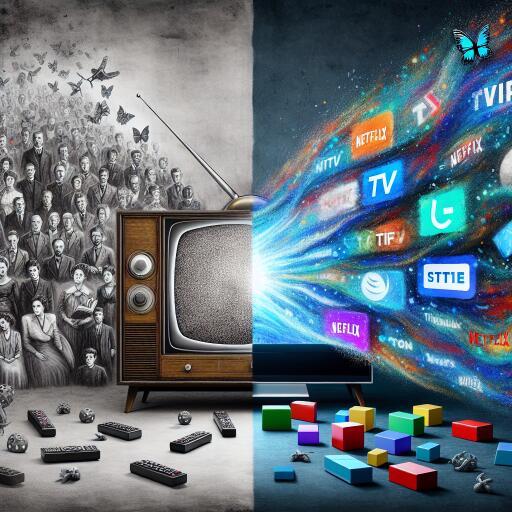
For decades, television shaped how we learned, laughed, and connected, evolving from fuzzy tubes to razor‑sharp 4K panels. Yet the most profound shift isn’t in pixels—it’s in the pipes. Internet Protocol Television (IPTV) has turned the old broadcast model inside out, merging the open web with living‑room screens and putting viewers in control of what, when, and how they watch. For gamers and VR enthusiasts, this shift also unlocks new forms of interactive, low‑latency experiences that feel closer to apps and games than to traditional TV.
What IPTV Really Is
IPTV delivers video over internet protocols rather than satellite or coaxial cable. Instead of blasting the same feed to everyone, streams are delivered on demand—unicast for personal viewing and multicast for large live audiences. Adaptive bitrates keep playback smooth as network conditions change, and because everything rides on IP, any connected screen—from smart TVs to phones to game consoles—can be a first‑class TV.
From Channels to Choices
The grid of fixed schedules is giving way to vast libraries, watchlists, and instant replays. With on‑demand catalogs and catch‑up TV living alongside live channels, you can start a premiere late, resume a series on another device, or revisit last night’s match with full controls. Time has become flexible—and so has taste—thanks to personalized recommendations that surface hidden gems across genres and regions.
A Global Surge
IPTV’s rise rides on faster broadband, affordable streaming devices, and a growing fatigue with rigid, expensive bundles. In areas without robust cable or satellite infrastructure, it’s a leapfrog technology, opening doors to international news, local culture, and education through the same connection that powers apps and games. The result is a more inclusive media landscape where geography matters less than curiosity.
The Business Reboot
Streaming has reconfigured the economics of TV. Direct‑to‑consumer models—subscription, ad‑supported, or hybrid—connect platforms to viewers without the old labyrinth of distributors. This favors variety: indie studios and niche creators can build global audiences, while FAST (free ad‑supported TV) channels revive the “lean‑back” feel without monthly fees.
But fragmentation brings “subscription fatigue,” with audiences juggling multiple apps for must‑see shows. Bundles, unified search, and account aggregation are the new battlegrounds. Meanwhile, illicit IPTV operations—offering pirated streams at bargain prices—erode trust and revenue. Combating that requires better user experience, sensible pricing, and robust rights protection without punishing legitimate viewers.
Interactivity and Personalization
IPTV turns passive watching into a two‑way conversation. Live polls, bonus stats, alternate camera angles, and synced second‑screen features deepen engagement. Behind the scenes, AI curates feeds by analyzing what you watch, when you watch, and how you interact—ideally with transparent controls to fine‑tune or opt out.
Smart‑home integration adds fluidity: pause in the living room, continue on mobile; ask a voice assistant to find a specific episode; surface accessibility features by default. For gamers, low‑latency streams enable interactive shows, cloud gaming trials, and synchronized watch parties around esports—bridging the gap between viewing and play.
Hurdles to Clear
Quality still hinges on infrastructure. Inconsistent last‑mile speeds, data caps, and congested Wi‑Fi can mean buffering and resolution drops. Content licensing remains a maze of territories and windows, creating geo‑locks that frustrate global audiences. And privacy is paramount: the same telemetry that powers recommendations demands clear consent, local data controls, and strong security. Accessibility—captions, audio descriptions, interface contrast—must be a baseline, not a bonus.
Beyond the Living Room
IPTV is already escaping entertainment. Schools stream lectures to remote learners; enterprises broadcast town halls; clinicians use secure video for telehealth. As 5G and edge computing roll out, ultra‑low‑latency delivery will make real‑time interactivity mainstream, from live auctions to collaborative creative tools.
The frontier for gaming and virtual reality is especially exciting. Imagine VR watch parties with spatial audio, AR overlays that project live stats onto the coffee table, or volumetric replays you can walk around. IPTV becomes an operating layer for immersive media, blending video with responsive, game‑like experiences.
The Age of Infinite TV
IPTV isn’t simply replacing cable; it’s dissolving the boundaries of television itself. Schedules give way to moments, channels to choices, and screens to services that follow you everywhere. Whether you’re binging a docuseries, co‑watching esports with friends, or stepping inside a VR concert, the story is the same: TV is no longer a place you go—it’s a platform that adapts to you. The transformation is here, and it’s streaming forward, one frame—and one interaction—at a time.