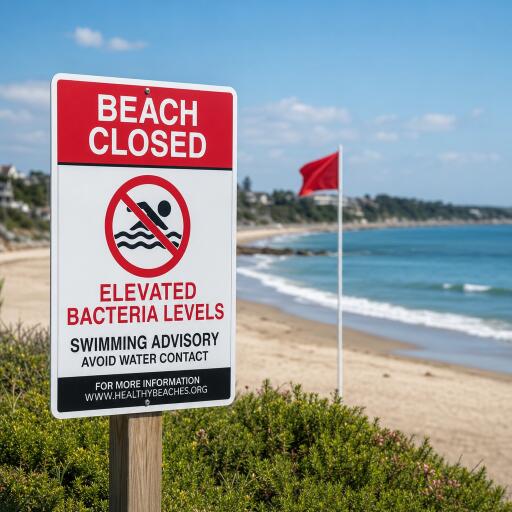

Elevated bacteria levels force beach closures and swimming advisories across the US
Beach season is colliding with reality checks nationwide as water-quality tests trigger closures and “swim at your own risk” notices from coast to coast. While researchers and safety educators increasingly turn to virtual reality to simulate rip currents and smart decision-making on the shore, the more immediate concern this summer is invisible: spikes in bacteria that can make swimmers sick.
Why so many closures?
Environmental agencies close beaches when testing shows bacteria above health thresholds—levels that raise the odds of gastrointestinal illness, skin irritation, ear and eye infections, and respiratory issues for people and pets. The culprits are usually familiar and unglamorous:
- Stormwater runoff washing contaminants into lakes and coastal waters after heavy rain
- Leaky or aging sewer systems and occasional overflows
- Failing septic tanks and improper waste disposal
- Pet waste left on streets, parks, and sand
Two bacterial indicators appear repeatedly in test results. Enterococci, commonly used along ocean and bay beaches, signals that water has been impacted by fecal matter. E. coli, often measured in freshwater, points to similar contamination. Neither organism guarantees illness, but elevated results mean other harmful pathogens could be present too.
Where the warnings are piling up
New York
New York City has posted temporary advisories at several beaches after samples detected elevated enterococci. Notices are concentrated in the Bronx, Queens, and Brooklyn, as well as along portions of the Long Island Sound and the city’s southern shoreline. Officials cite heavy rain and outdated sewer infrastructure as prime drivers when thresholds are exceeded.
Massachusetts
Dozens of Massachusetts beaches were fenced off or flagged with warnings over Father’s Day weekend due to high bacteria counts and, in a number of freshwater spots, harmful cyanobacteria blooms. The closures and advisories span Cape Cod towns including Brewster, Plymouth, and Provincetown; North Shore favorites like Gloucester, Manchester, Rockport, and Salem; and several inland destinations in Natick, Pittsfield, and Templeton. Portions of popular Boston-area beaches, including sections of Constitution Beach in East Boston, have also faced temporary restrictions.
New Jersey
Along the Jersey Shore and beyond, testing has prompted multiple swim advisories and at least one full closure. Health departments sample ocean and bay stations weekly, scanning for enterococci as a red flag for contamination. Recent actions have focused on sections of Cape May and Ocean counties, while inland locations in Burlington, Sussex, and Morris counties—such as Mirror Lake, Sleepy Lagoon, and Vernon Valley Lake—have posted warnings as well.
Iowa
The Midwest isn’t immune. Iowa has issued “swimming not recommended” notices at several lakes after elevated E. coli readings. Affected waters range widely across the state, including Backbone Beach in the northeast, Beeds Lake in the north-central region, Lake Darling in the southeast, and Black Hawk Lake in the west. These advisories underscore that even scenic inland lakes can see sudden risk increases following downpours or runoff events.
Washington
In the Pacific Northwest, King County temporarily closed popular freshwater swimming areas when monitoring found bacteria above safety limits. Several sites around Lake Washington—serving communities like Seattle, Kirkland, and Renton—along with Lake Meridian in Kent, were shut to allow time for conditions to improve and for follow-up testing. Many closures are expected to lift within a week if subsequent samples clear health standards.
How swimmers can reduce risk
- Check local beach status boards or municipal websites before heading out, especially after heavy rain.
- Avoid swimming for 24–48 hours following significant storms, when runoff peaks.
- Skip the water if it looks murky, smells unusual, or if there’s visible debris or algae scum.
- Keep open cuts out of the water and shower after swimming.
- Keep pets from drinking or playing in questionable water and clean up pet waste promptly.
- Heed posted advisories and lifeguard guidance; closures are based on data, not guesswork.
VR steps in as an education tool
Beyond the day-to-day advisories, beach safety training is getting a tech upgrade. Virtual reality modules now let users practice identifying rip currents, interpreting signage, and making safer choices in dynamic shoreline scenarios—without stepping into risky conditions. For communities juggling bacteria spikes, storm-driven hazards, and crowded summer beaches, these immersive simulations offer a cost-effective way to prepare visitors and students for real-world decisions before they reach the water.
The bottom line
From New York to Washington state, this summer’s early pattern is clear: when storms roll through and infrastructure strains, bacteria levels can rise quickly. Temporary closures are inconvenient, but they’re also preventive medicine for the shoreline. Keep tabs on local testing, plan swims around weather windows, and make the most of new tools—VR included—that can turn beach safety from a warning sign into second nature.