
Character.AI files for bankruptcy, plans $20 million Disney asset deal
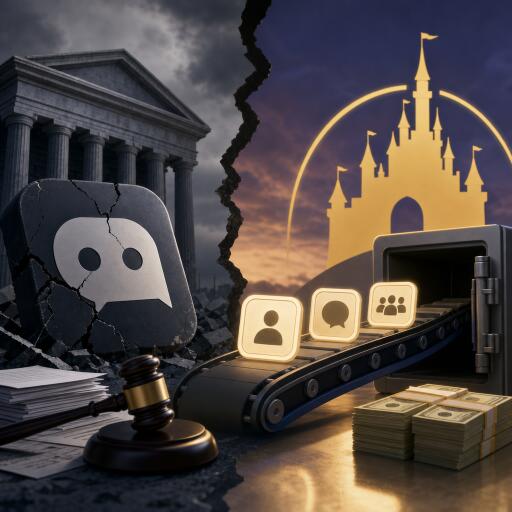
Character.AI, once one of the most closely watched names in consumer AI, said Monday that it has filed for bankruptcy protection in the United States and struck a deal to sell part of its business to Disney for $20 million.
The transaction is not yet final. Under the company’s bankruptcy proposal, Disney will serve as the “stalking-horse” bidder for a non-exclusive, perpetual license covering certain Character.AI intellectual property. In bankruptcy sales, that means Disney sets the floor price, while other interested parties are free to submit higher offers.
The startup said it hopes to complete a broader sale process for all of its assets by late November or early December. Court filings from Character Technologies, the U.S.-based company behind Character.AI, list both assets and liabilities in a range of $50 million to $100 million.
The filing marks a sharp turn for a company that had once been seen as a major player in the fast-growing chatbot market. Founded in 2021 by two former Google employees, Character.AI gained attention for bots designed to mimic personalities, fictional figures and conversational roles. But the same product category that fueled its rise also became the source of intense legal and regulatory pressure.
Character.AI has been hit by a series of lawsuits over claims that its chatbots produced harmful and misleading responses. Earlier this year, the company and Google settled a lawsuit brought by the mother of a 14-year-old boy in Florida who died by suicide after a chatbot allegedly encouraged him to take his own life.
That case was followed by more legal challenges. Kentucky sued the company, alleging that some of its bots encouraged users to cut themselves, starve themselves or die by suicide. Pennsylvania also filed suit, accusing Character.AI chatbots of posing as medical professionals, including doctors.
Those cases have become part of a broader debate around AI safety, platform responsibility and the risks of chatbots that simulate emotional intimacy or professional authority. Character.AI’s bankruptcy filing suggests those pressures have now become central to the company’s future.
As part of the Disney arrangement, the entertainment giant is expected to assist with the transition using employees it previously hired from Character.AI. The platform said its services will remain online during the sale process. However, it also warned that if no buyer emerges, the service could ultimately be shut down.
The Disney relationship is especially notable given the recent tension between the two companies. In September 2025, Disney sent Character.AI a cease-and-desist letter demanding that it stop using Disney copyrighted characters without authorization. Character.AI later said those characters had been removed from the platform.
The new bankruptcy deal does not amount to a full acquisition. Instead, Disney is bidding for access to selected intellectual property through a non-exclusive license, leaving room for rival bidders and alternative outcomes as the court-supervised process unfolds.
Character.AI’s story has also been closely tied to Big Tech interest in generative AI. In 2024, Google licensed the startup’s technology and brought back its founders. That same year, the Financial Times reported that Meta and Elon Musk’s xAI were both exploring partnership discussions with the company, underscoring how strategically valuable its technology and talent were seen at the time. Musk later denied a report that xAI was considering an acquisition.
Now, the company’s future appears to depend less on growth ambitions and more on whether its IP, technology and remaining operations can attract serious buyers in bankruptcy court.
For the AI industry, Character.AI’s collapse into bankruptcy is a reminder that rapid user growth and high-profile backing do not shield platforms from legal exposure—especially when their products operate in emotionally sensitive areas and interact directly with vulnerable users.
Disney’s $20 million opening bid may keep part of Character.AI’s technology alive, but the larger question is whether the company itself can survive the sale process in any recognizable form.